
From the shop
Why a Superior Finish on Your Cabinetry is Worth Every Penny: Paint, Stain and Varnish
Updated
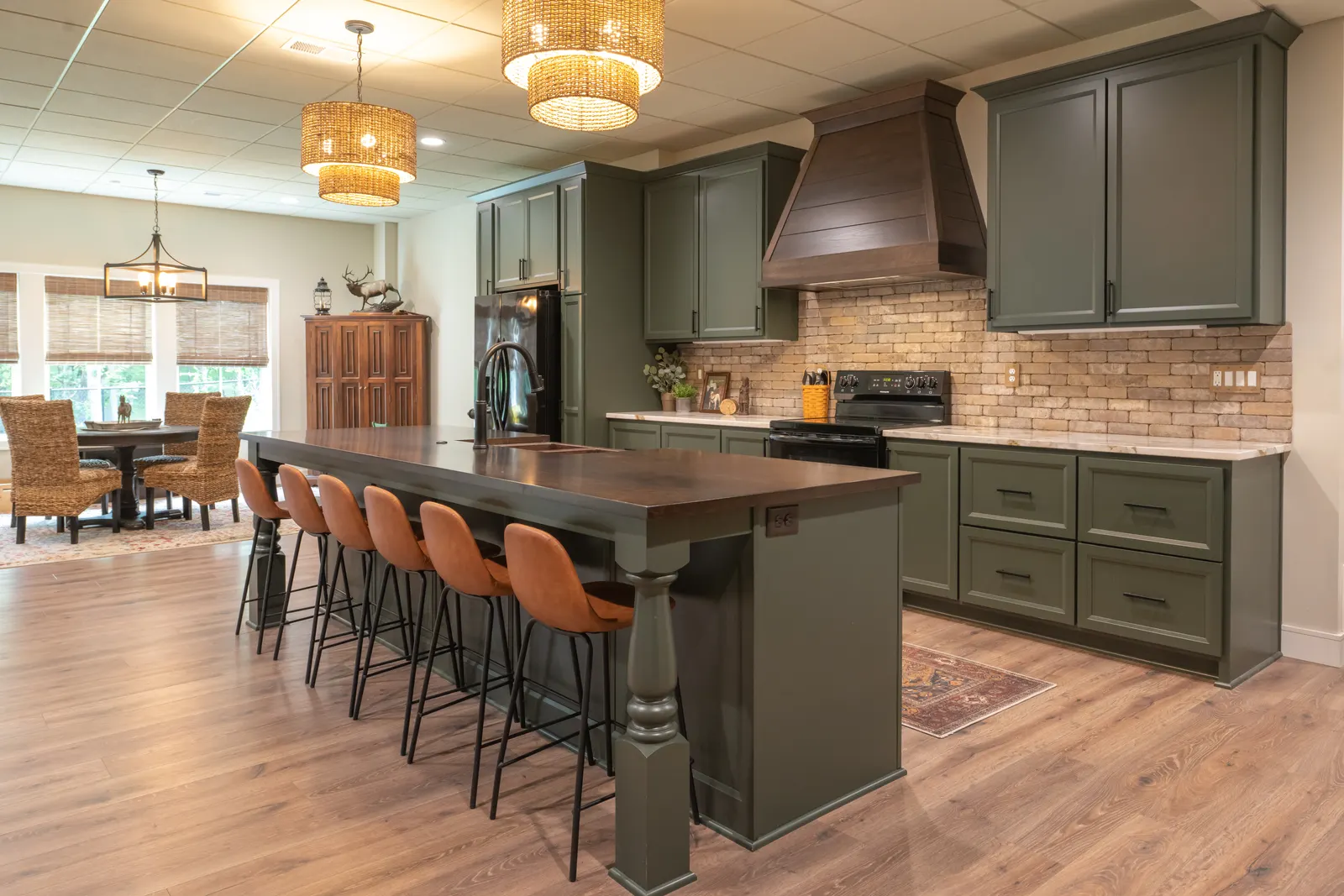
A cabinet finish affects both appearance and everyday care. Crown finishes its cabinetry and refacing materials in the Abilene shop with post-catalyzed conversion varnish. The complete coating process, application and maintenance all matter to the result.
The finish decision
Cabinetry is your home's most significant piece of furniture. How it functions is vital to your everyday life, and even more important is how it'll hold up over the years. When designing custom cabinetry, important decisions are made: the kind of wood species to use, how many drawers or shelves it needs, whether it should include a trash roll-out, and what the door profile will look like. Of course, you'll also decide on the finish. Will it be painted, stained, glazed or have a special finishing technique?
A cabinet's extra coat of protection
The finish adds a protective surface and sets the color and sheen you see every day. Compare a completed sample so you can judge the look alongside the room's other materials.
A well-applied finish helps protect cabinetry from everyday handling and spills. Protection has limits: standing water, concentrated heat, abrasive cleaning and harsh solvents can damage a finished surface.
The post-catalyzed conversion varnish difference
Crown uses post-catalyzed conversion varnish for its cabinetry and refacing materials. The finishing work takes place in the Abilene plant before the pieces arrive for installation.
A separate catalyst is added to the coating as part of the finishing process. Mixing ratios, usable working time and curing requirements depend on the exact product, so a universal eight-hour rule isn't an accurate specification.
- Prepare the wood surface for the specified finish.
- Apply the selected color treatment and coating system in the shop.
- Cure and inspect the finished components before delivery.
Crown's approved refacing offering includes a 10-year finish warranty. Ask Crown about the coverage and care requirements for your project. A warranty isn't permission to test the coating with solvents.
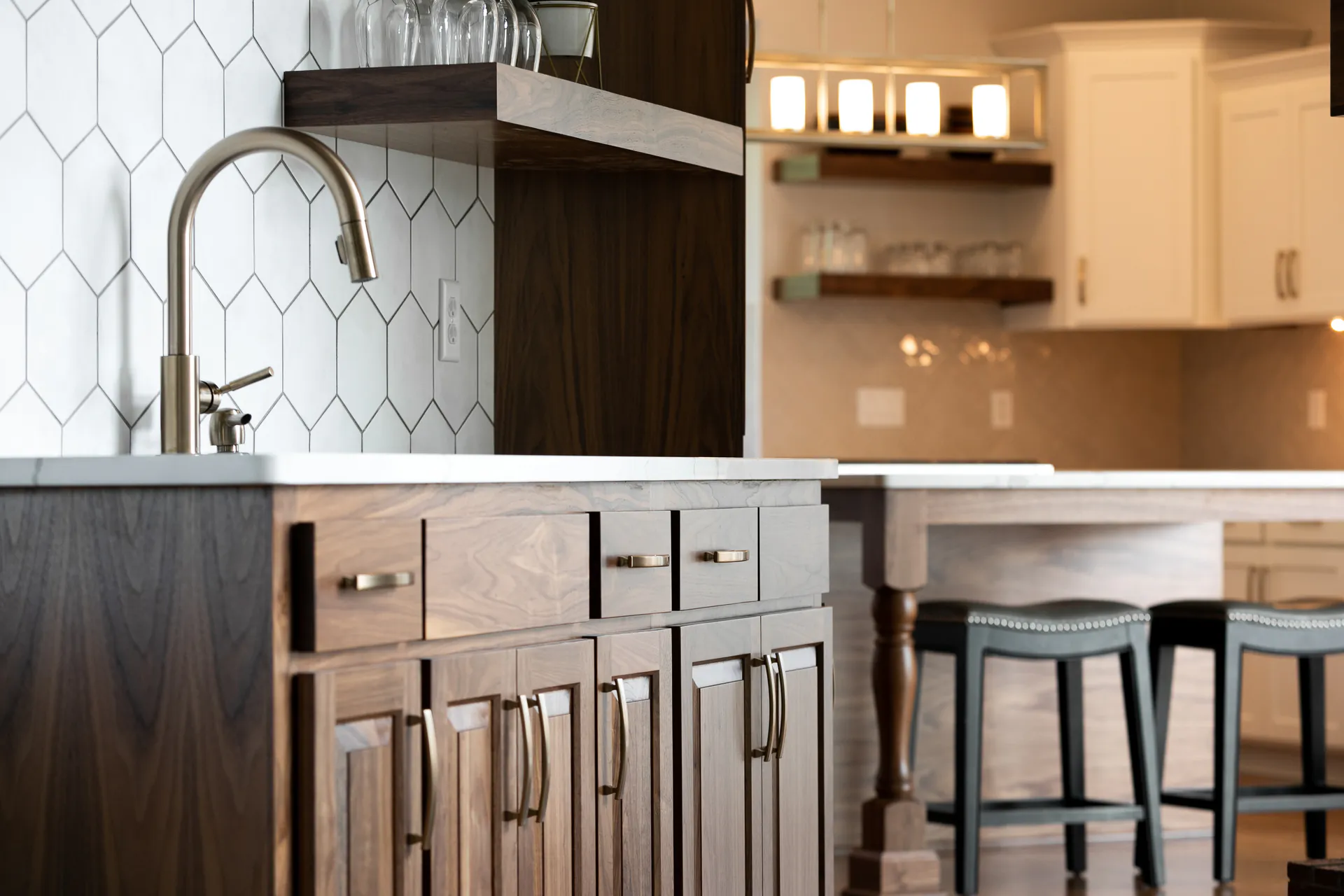
Compare the complete finishing process
A coating label alone doesn't establish how every cabinet shop's work will perform. Compare surface preparation, the specified coating system, application conditions, curing and the finished sample.
Shop finishing gives Crown a dedicated place to prepare and finish its components before installation. On-site painting can also be appropriate for some projects; the preparation, coating and work conditions still need to suit the cabinets.
Care that supports the finish
Wipe up spills promptly with a soft cloth, avoid soaking the surface, and dry any moisture that remains. Use cleaners Crown recommends for the actual finish. Keep abrasive pads, harsh solvents and nail polish remover away from cabinet surfaces.
The American Hardwood Information Center’s hardwood care guidance explains why standing water and solvents need care, even on finished wood.
See how species and finish work together in our white oak versus maple guide, then compare physical samples with your designer.
Helpful answers
Questions this post answers
What does a cabinet finish protect against?
A properly applied finish helps protect cabinetry from handling and spills. Standing water, concentrated heat, abrasive cleaners and solvents can still damage it.
What is post-catalyzed conversion varnish?
It's a coating mixed with a separate catalyst before application. The exact product determines mixing, working time and curing requirements.
How should Crown cabinets be cleaned?
Wipe spills with a soft cloth, avoid soaking the surface, and dry remaining moisture. Follow Crown's recommendations for the actual finish; avoid abrasives and harsh solvents.
Can a project use both paint and stain?
Yes. Paint, stain, glaze, and other finishing techniques can be considered as part of the design conversation for a room.