Crown Cabinetry

Cabinet Wood Species

The wood decides how the color lands.

Two kitchens in the same stain can look nothing alike, because the wood underneath is doing half the work. Grain pattern, natural color, and how open the pores are all change what a finish looks like once it's on. We build with seven standard species. Other wood species and stain combinations can be selected with an upcharge.

How to choose

Three things that actually matter

Grain

Some species have a strong, obvious grain and some are nearly uniform. Heavy grain shows through paint. If you want a painted kitchen with no visible texture, that rules some species out immediately.

Hardness

Harder woods take dings less easily. In a kitchen with kids, that isn't a small thing. Every species below carries a hardness rating from 1, the softest, to 4, the hardest.

How it takes color

Some species drink stain evenly. Some have enough natural color that a light stain barely registers, and a few will darken on their own over the years whether you plan for it or not.

Standard selection

Seven standard wood species

These seven species are part of our standard offering.Other species can be selected with an upcharge.
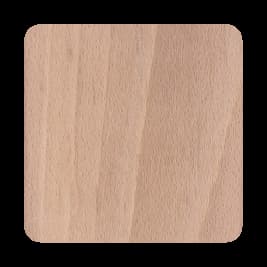
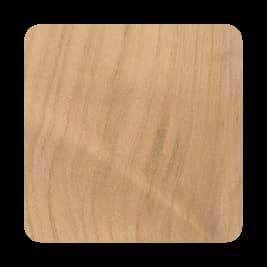
Beech cabinet wood species sample showing pale cream, sometimes with a pink or brown cast and straight, fine to medium texture grain

Beech

Color
Pale cream, sometimes with a pink or brown cast
Grain
Straight, fine to medium texture
Takes color
Stains well in all shades
Hardness
3
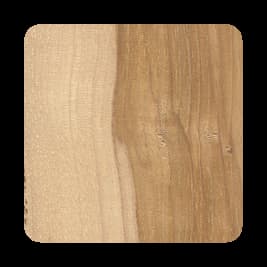
Cherry cabinet wood species sample showing reddish and soft and smooth grain

Cherry

Color
Reddish
Grain
Soft and smooth
Takes color
Accepts all stains well, and sweetens or darkens over time
Hardness
2
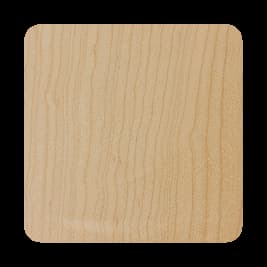
Maple cabinet wood species sample showing white with flecks of reddish brown and fine, minimal pattern grain

Maple

Color
White with flecks of reddish brown
Grain
Fine, minimal pattern
Takes color
Ideal for light stain, can go darker with a pre-conditioner
Hardness
3
Hickory cabinet wood species sample showing high contrast browns, whites and reds and straight, open grain

Hickory

Color
High contrast browns, whites and reds
Grain
Straight, open
Takes color
Stains well in a variety of colors
Hardness
4
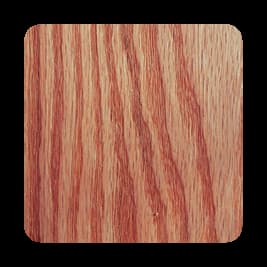
Red Oak cabinet wood species sample showing light to medium brown, slightly reddish and heavy, deep texture grain

Red Oak

Color
Light to medium brown, slightly reddish
Grain
Heavy, deep texture
Takes color
Accepts all stains well
Hardness
3
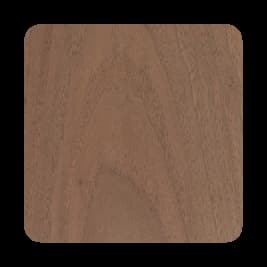
Walnut cabinet wood species sample showing light brown through deep chocolate and usually straight, sometimes irregular, medium texture grain

Walnut

Color
Light brown through deep chocolate
Grain
Usually straight, sometimes irregular, medium texture
Takes color
Usually left unstained and clear coated
Hardness
3
White Oak cabinet wood species sample showing light to medium brown, often with an olive cast and straight and curly mixed, coarse and uneven grain

White Oak

Color
Light to medium brown, often with an olive cast
Grain
Straight and curly mixed, coarse and uneven
Takes color
Accepts all stains well
Hardness
3

One stain. Different woods.

Stain is translucent, so grain, texture, and natural color all stay visible in the finished piece. The wood beneath it changes how every color reads.

Medium Brown Walnut stain shows red undertones on cherry and reads lighter on red oak. That's why wood and stain are decisions to make together.

See stains and finishes