
01
One finishing schedule
Temperature, humidity, and mix all affect color. Finishing a kitchen in one place and on one schedule helps keep uppers, bases, and additions aligned.
Finished in our shop, not somebody else's.
Your cabinetry is the largest piece of furniture in your house, and the finish is what decides whether it still looks right in ten years. Every Crown cabinet is stained or painted and topcoated in our own finishing department in Abilene. Nothing gets sent out.
The finishing department
Finishing under one roof keeps a kitchen cohesive from the first door to the last, and gives us a clear starting point if you add to it later.
01
Temperature, humidity, and mix all affect color. Finishing a kitchen in one place and on one schedule helps keep uppers, bases, and additions aligned.
02
Home-center cabinet programs commonly use bulk, pre-catalyzed finishes with a longer working window. Crown combines the finish liquid and hardener in small batches instead. Once mixed, our varnish must be used within about eight hours.
03
The catalyst starts a chemical reaction that bonds the finish to the wood. Our heated spray booths cure it for added hardness and durability. Crown guarantees the finish for ten years.
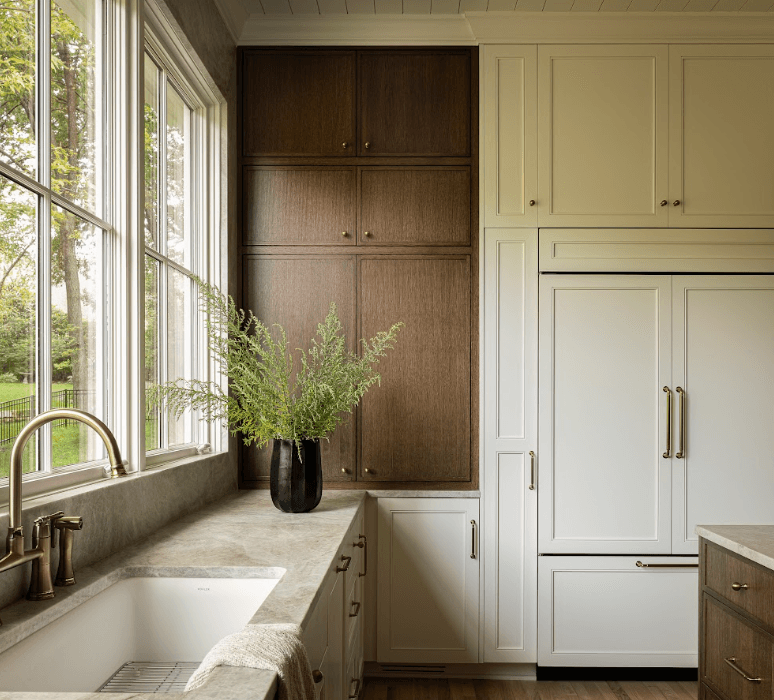
Start with the finish you want the room to carry, then choose the material and color that support it.
Natural character
Stain is translucent, so grain, texture, and natural color remain part of the finished color. The same stain can read differently from one species to another.
Color first
Paint gives you color the wood can't, creating a consistent field across the room. Open-grained woods can still leave some texture visible beneath it.
For wood cabinetry
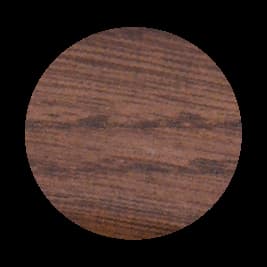
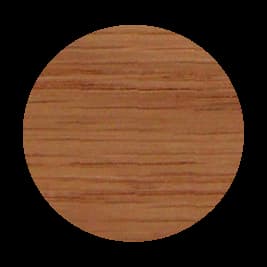
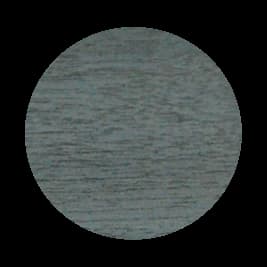
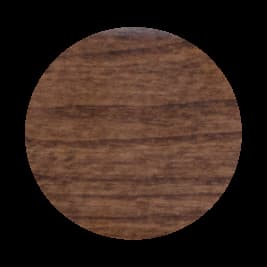
An asterisk marks stains available on Walnut. Natural/Clear Coat is also available for Walnut. Other wood and stain selections can be specified with an upcharge.
For painted cabinetry
These are the colors people choose most often.
Bring a color you love and we'll match it.
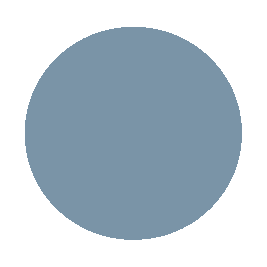
Crown Custom Color
Soft blue with gray undertones

Crown Custom Color
A deep navy

Sherwin-Williams SW 6236
Medium gray with blue undertones
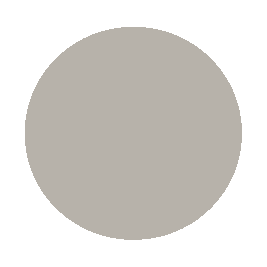
Sherwin-Williams SW 7017
Warm gray
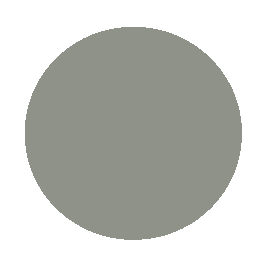
Sherwin-Williams SW 6186
Subtle green-gray
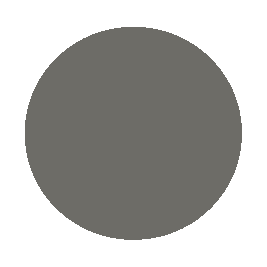
Sherwin-Williams SW 7048
Warm gray with brown tones

Crown
The purest black we make
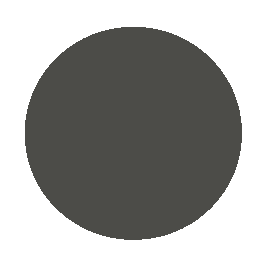
Sherwin-Williams SW 7069
Soft black
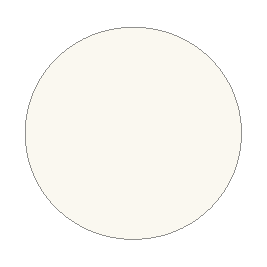
Sherwin-Williams SW 7008
Warm, creamy white
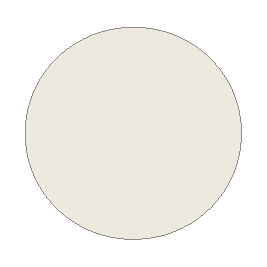
Sherwin-Williams SW 7004
Warm white
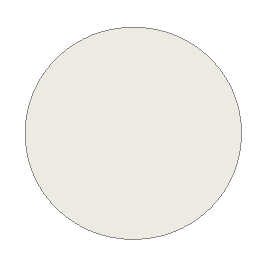
Crown Custom Color
Pure, cool white
Two Bentley doors, both painted Clary Sage, show how much the final treatment changes the way a profile reads.
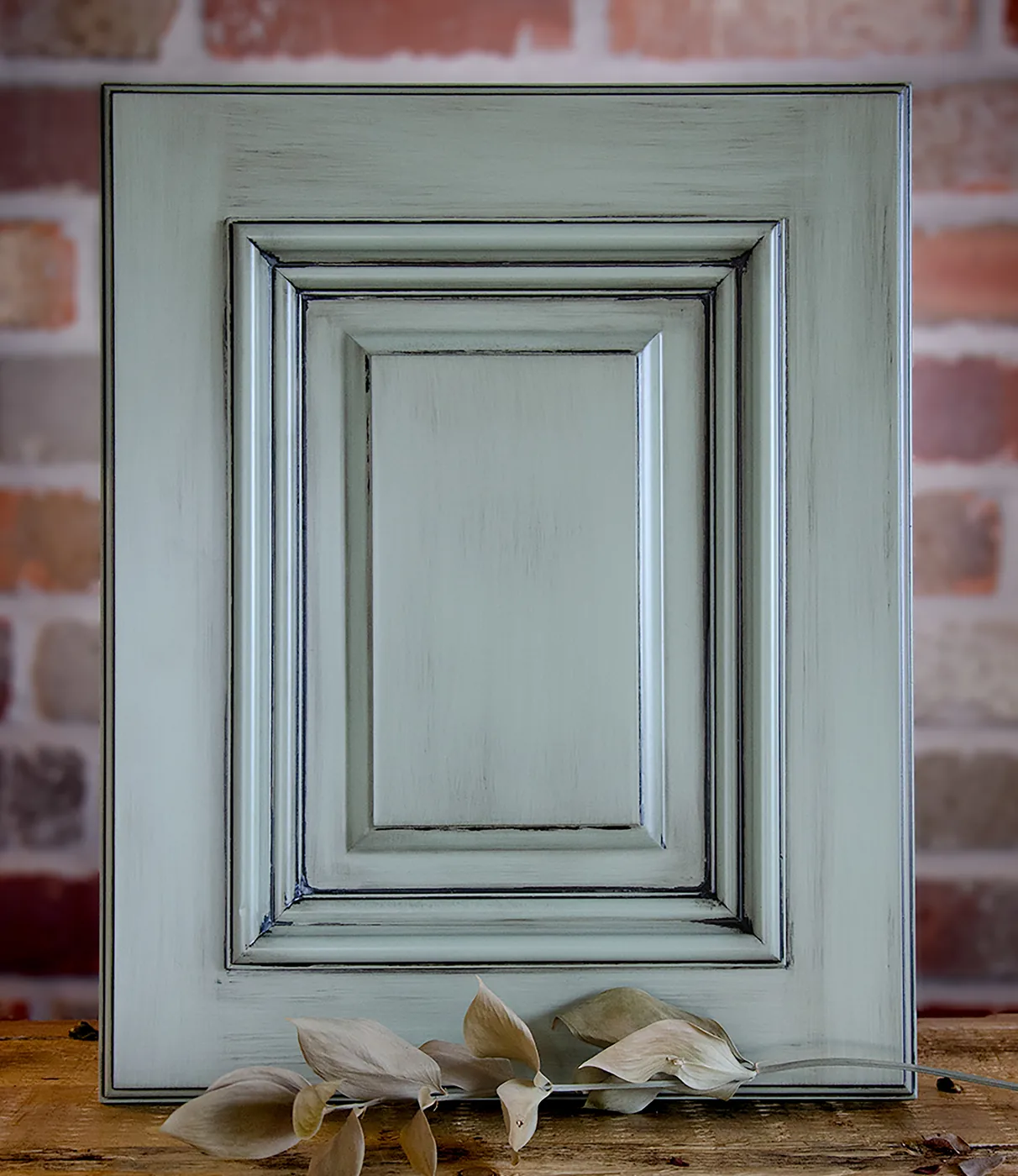
With a hang-up glaze
A darker tone settles into the edges and details, giving the door more depth and definition.
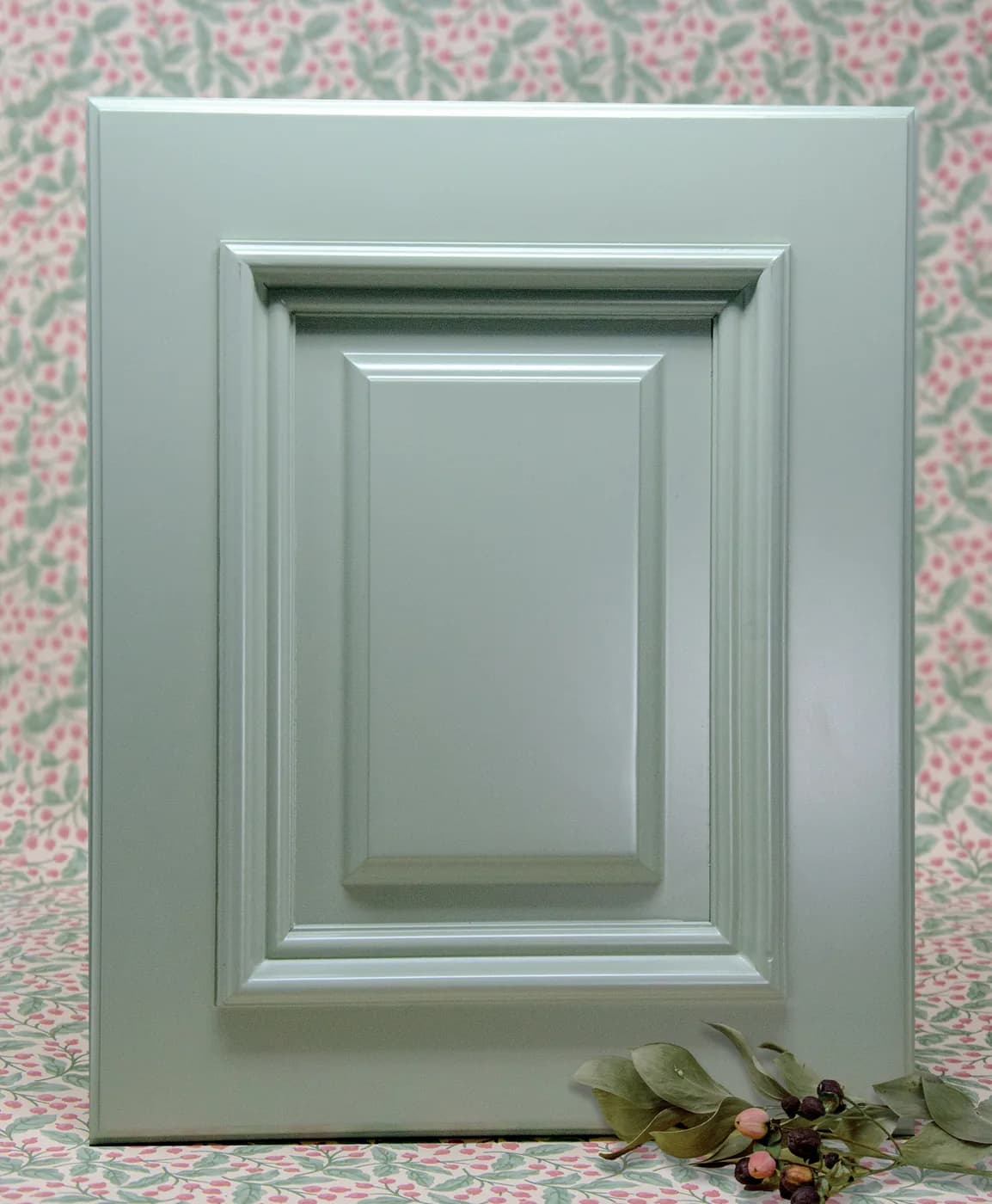
Straight painted finish
Without the glaze, the same color has a more even read and the profile feels less pronounced.
Glazes are sprayed, brushed, or wiped, then hand-wiped back to leave color in the right places. Sand-throughs, distressing, and small marks are handled the same way, so every finished door carries its own variation.
Keeping existing millwork? Our Leawood finish-planning guide considers tone, grain and sheen together before choosing a match or a deliberate contrast.
Helpful answers
Yes. Bring us a paint sample, a chip, or a door from what you've already got, and we'll match it in our own finishing department.
On open-grained species like red oak or hickory, yes, some texture comes through. On tighter-grained species it doesn't. If you want a completely smooth painted surface, say so at the design stage and we'll steer you to Paint Grade Maple, which exists for that reason.
Because we finish in our own department, we can go back to the same finish instead of trying to match somebody else's work from years ago.
Stain generally hides everyday wear better, because a scratch in stained wood still reads as wood. Paint shows chips more, especially on edges. Both get a post-catalyst varnish topcoat, and both hold up fine in a working kitchen.