
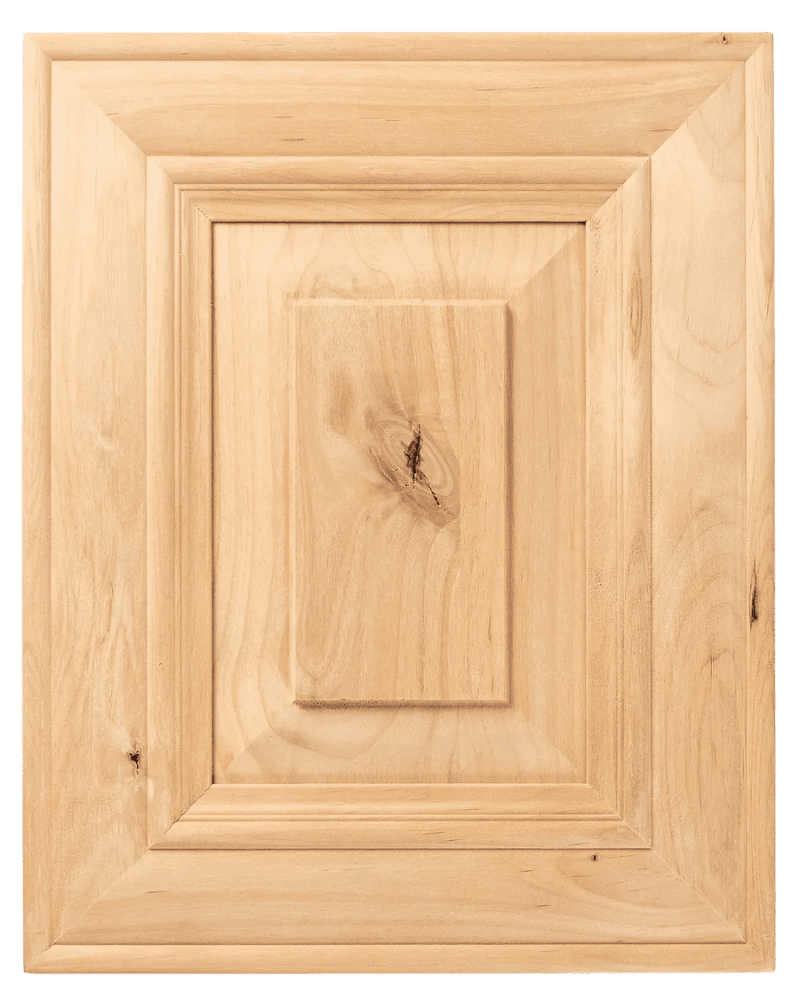
Traditional
Cameron
Mitered joints with ornate details and a dramatically raised panel
251/630
Our most common profiles.Pick the one your kitchen is asking for.
The door does more to set the character of a kitchen than any other choice you'll make, including the color. A Shaker and a Cameron in the same paint and the same species read as two completely different rooms.
Reading the specs
A door profile is the shape cut into the edges of the door and into the panel inside it. It's what creates the difference between a squared, flat edge, a soft cove, or an ornate raised panel.
These are Crown's shop references for the router-bit profiles used to make each door. They help a designer or remodeler specify the exact profile on an order.
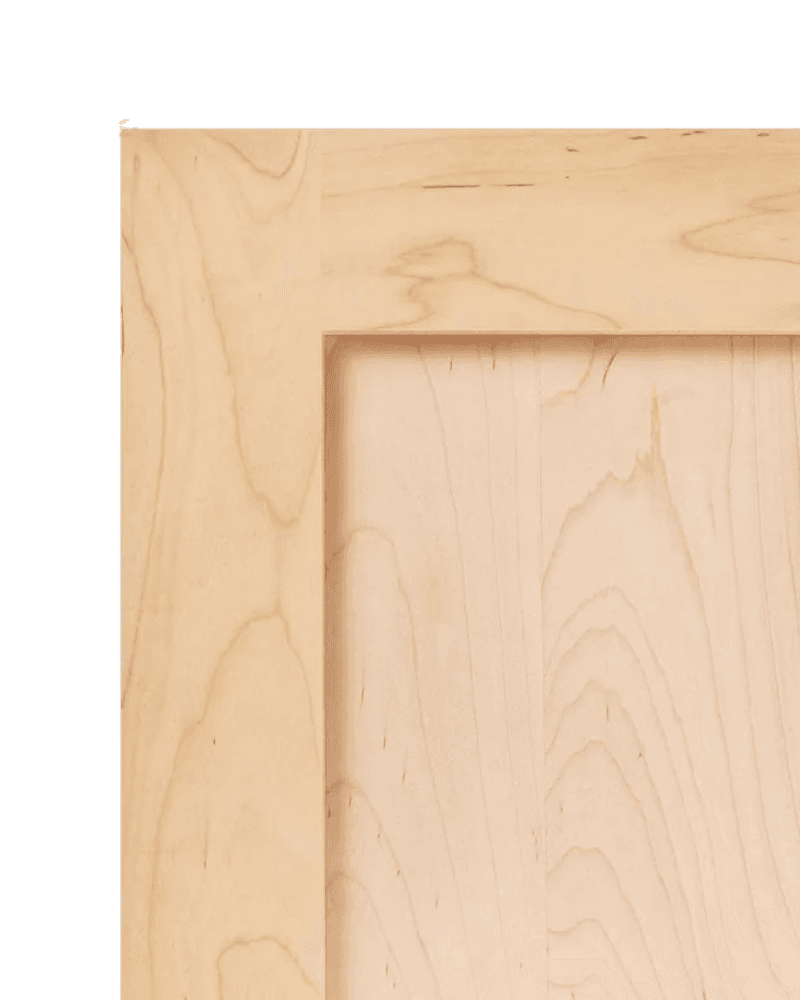
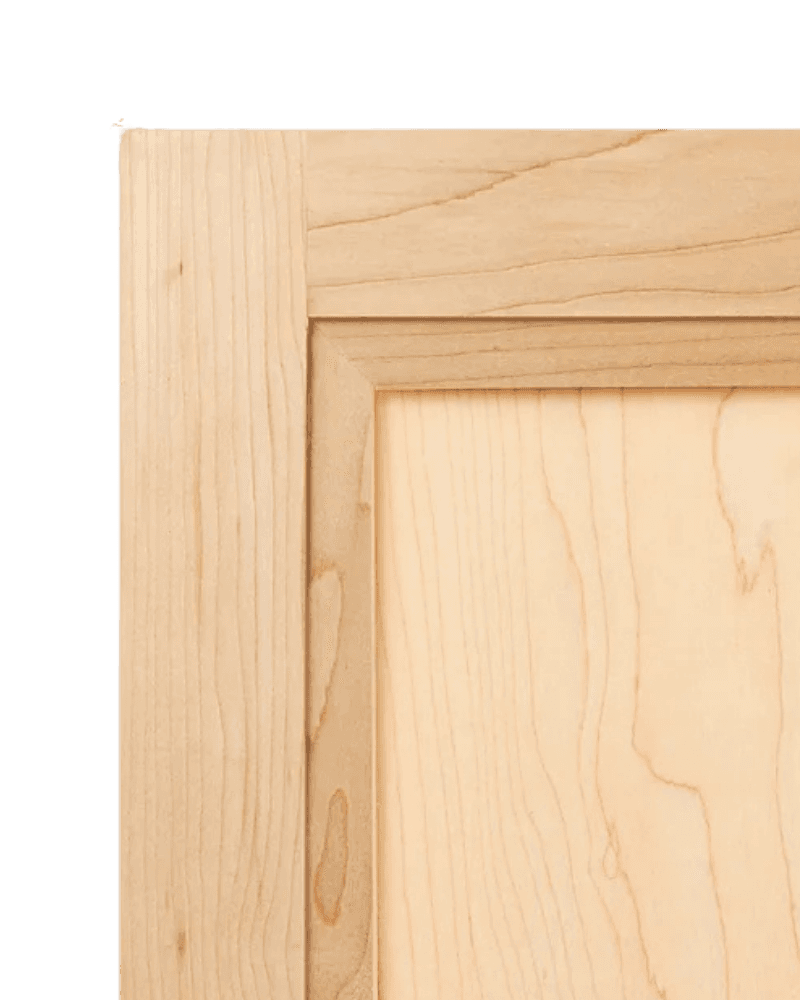
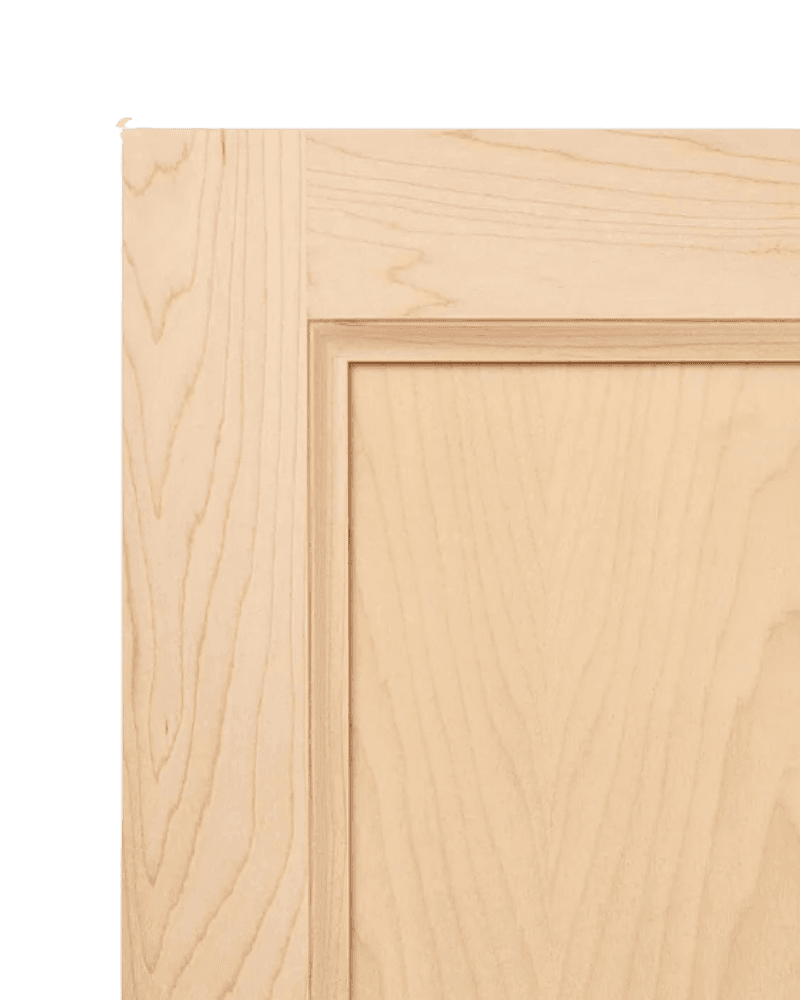
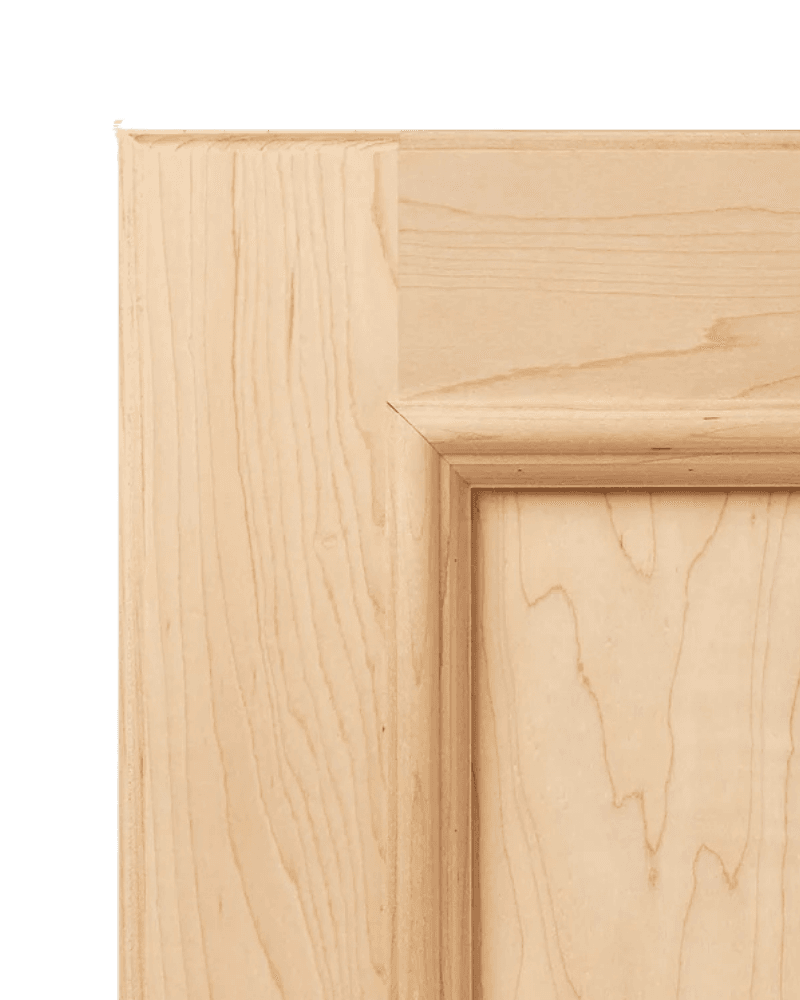
Traditional
Mitered joints with ornate details and a dramatically raised panel
251/630
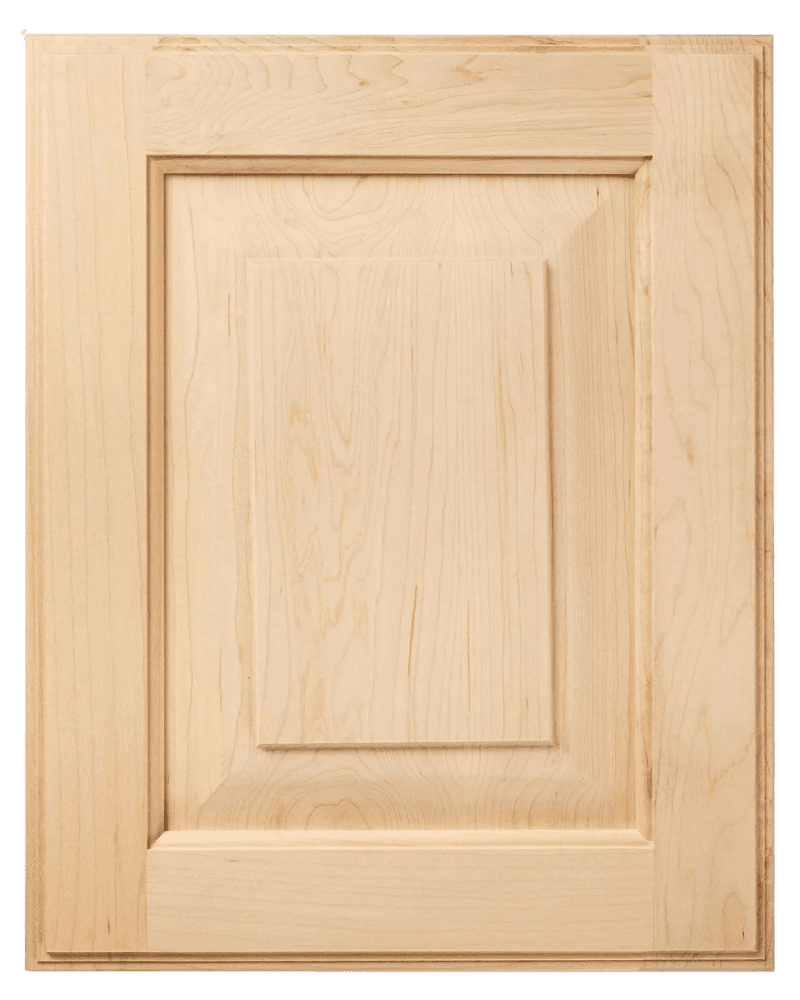
Traditional
Detailed edge profiles with soft curves on the raised panel
700/630/896
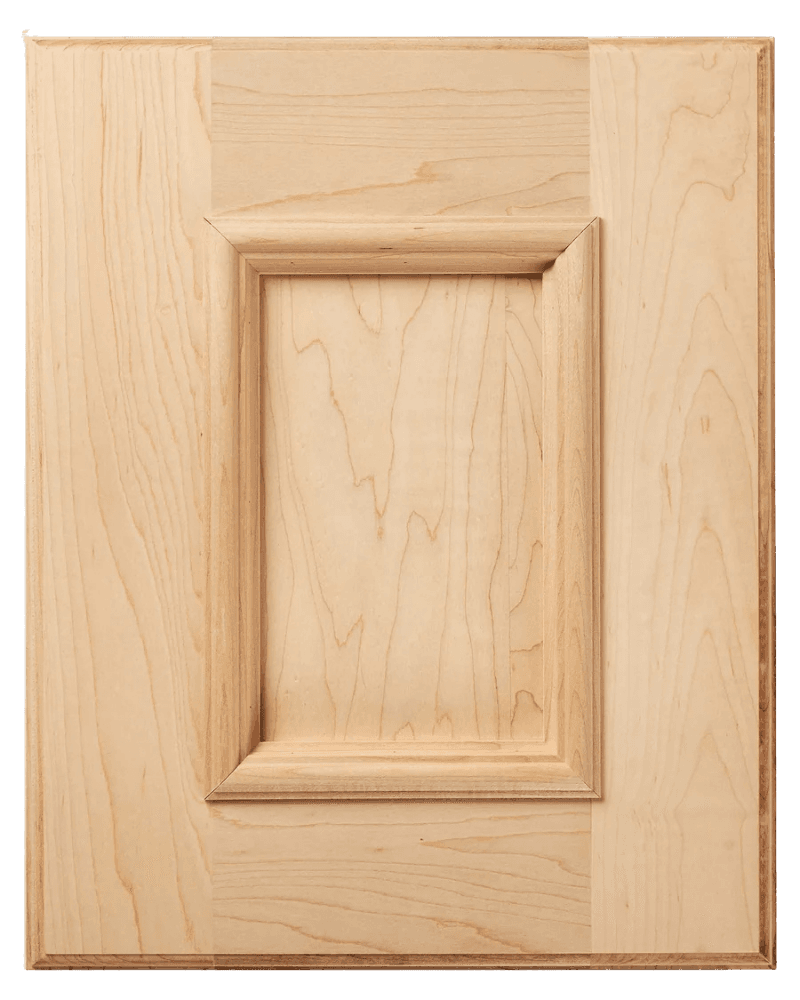
Traditional, Vintage
A subtle edge profile with pronounced applied molding on 3 inch thick stiles and rails
701d/AP124/690/814
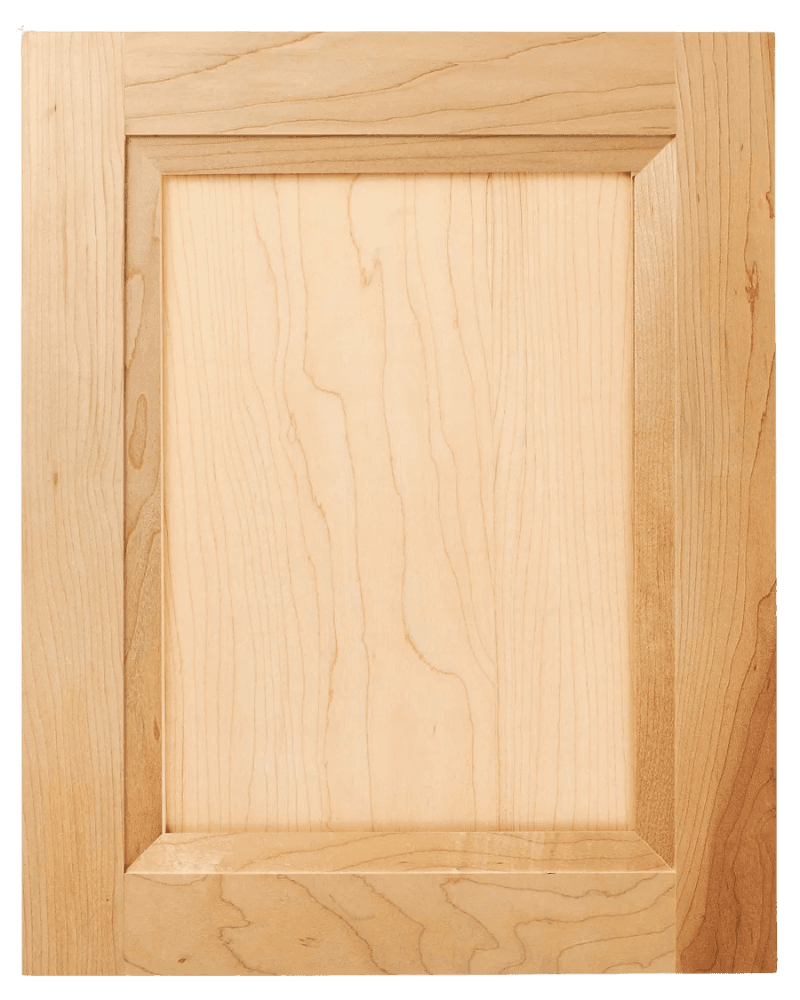
Contemporary, Transitional
A pronounced beveled interior profile with a sleek flat panel
744/690/807
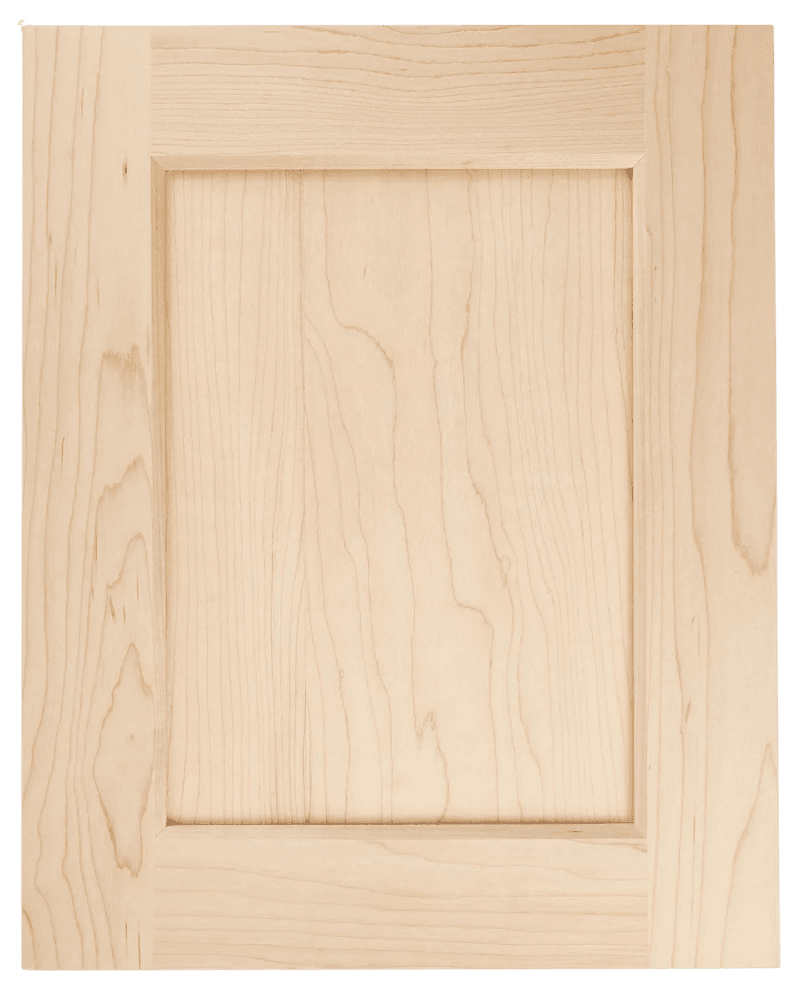
Contemporary, Farmhouse Transitional
A subtle beveled interior profile with a sleek flat panel
716/690/807
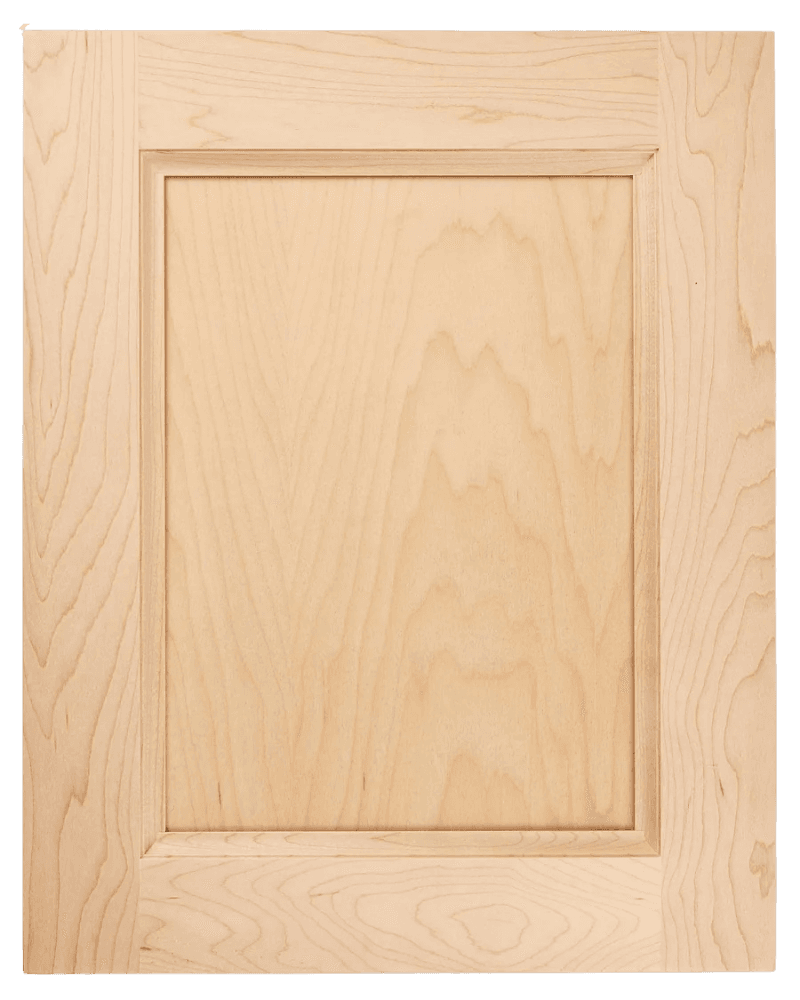
Modern Farmhouse, Transitional
A soft cove interior profile on a standard Shaker door
753/690/807
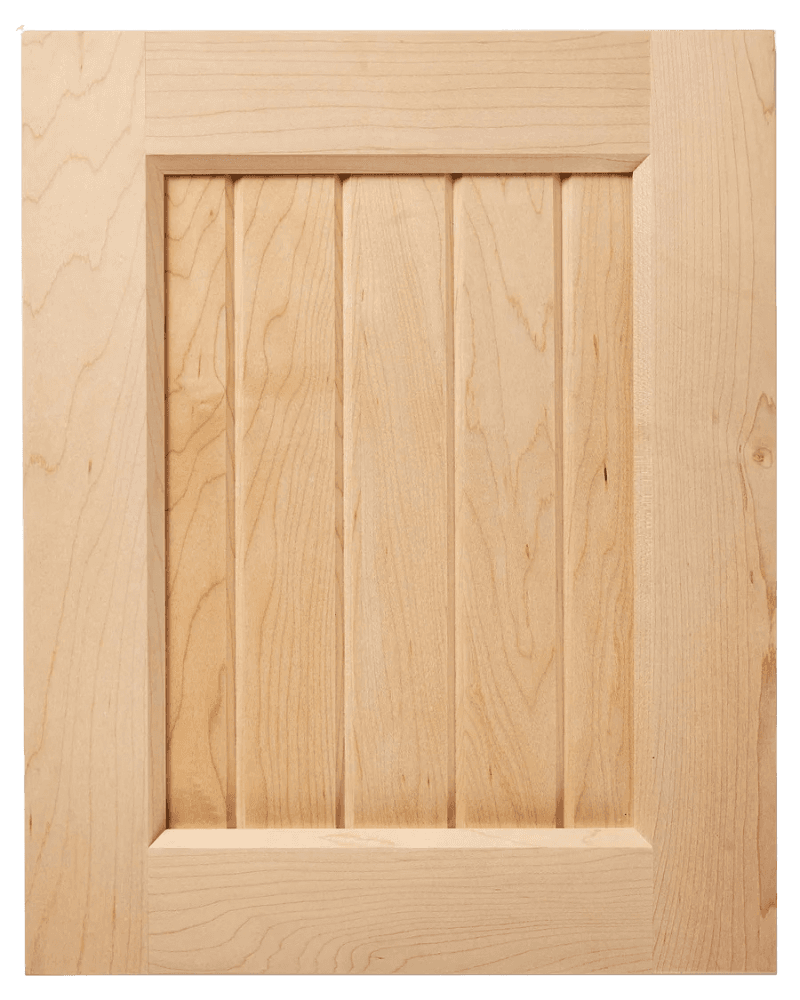
Boho, Cottage, Country, Rustic
A subtle bevel interior profile with a v-grooved beadboard panel
716/BP10-1.5/807
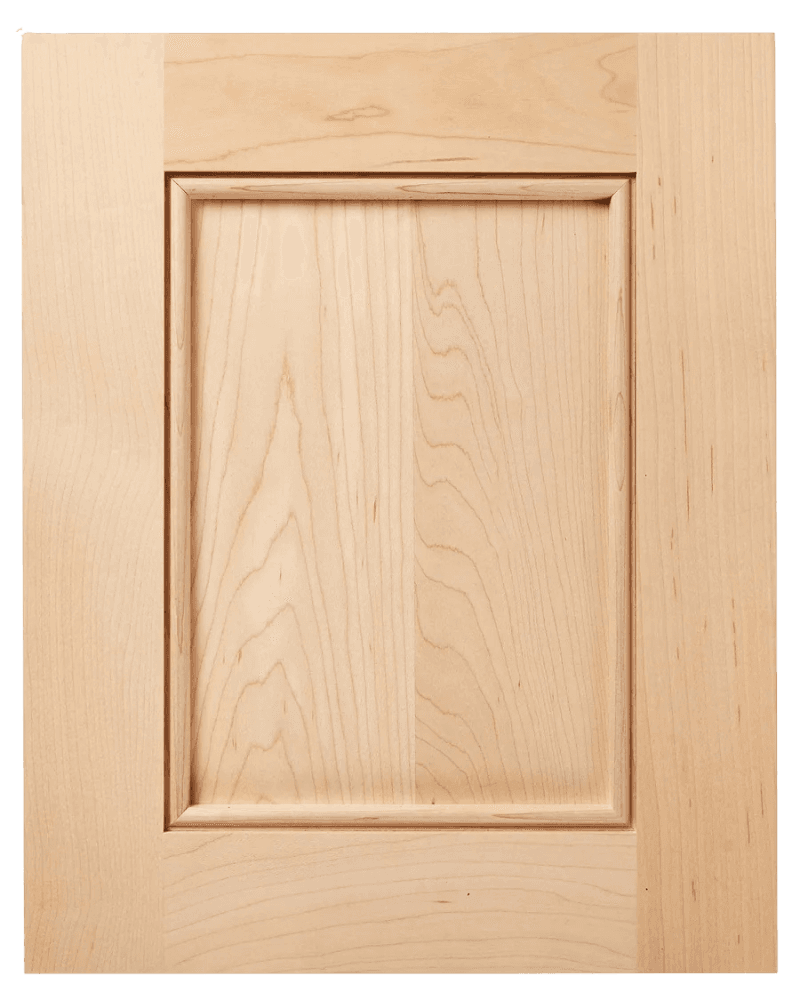
Farmhouse, Vintage
Delicate bead molding on the interior profile
701D/AP 101/690/807
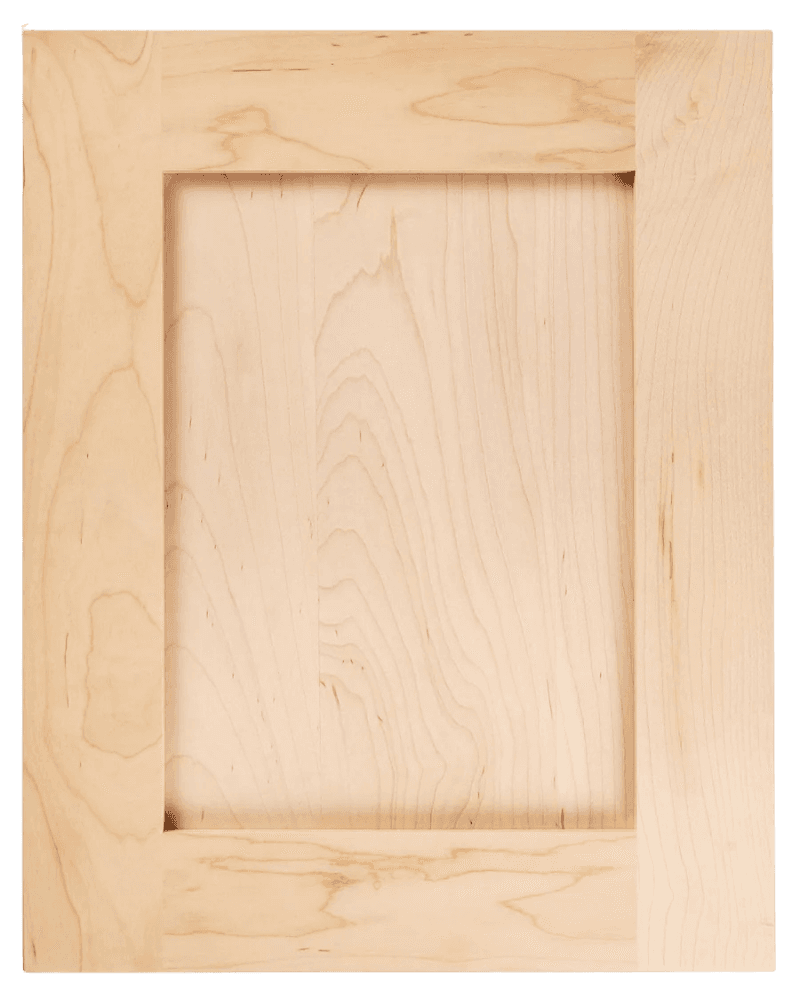
Classic, Minimalist, Rustic
Squared edges and a flat panel
701/690/807
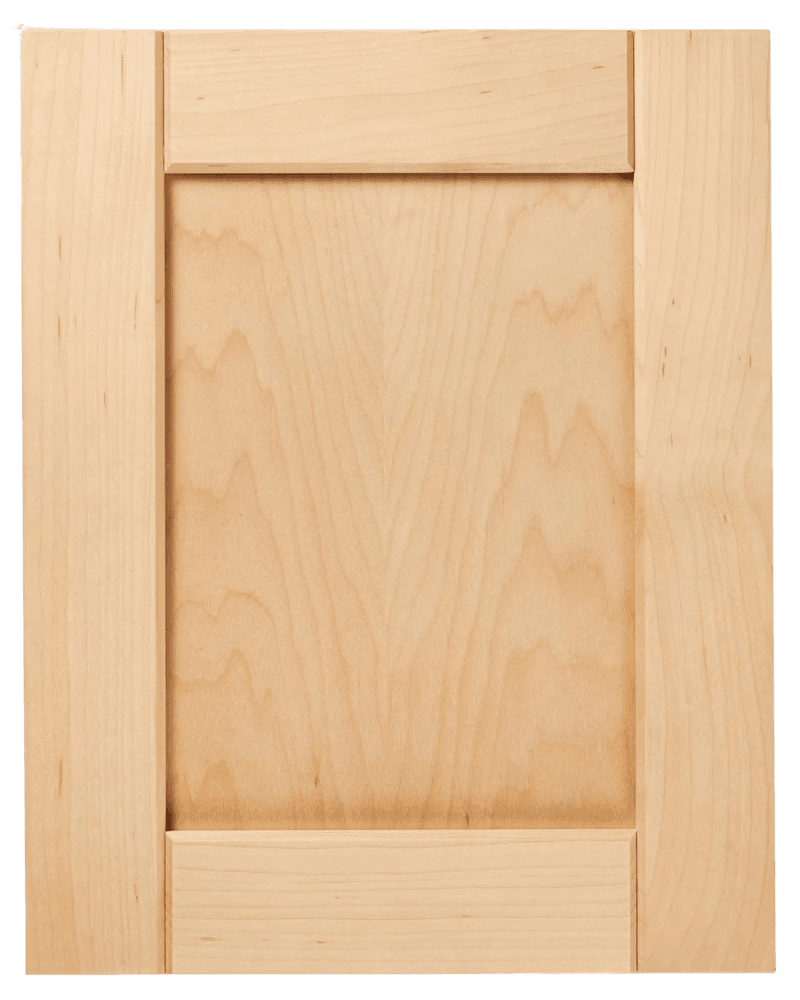
Industrial, Modern, Rustic
Striking mortise and tenon, a modern detail on a standard Shaker door
716/BP10-1.5/807
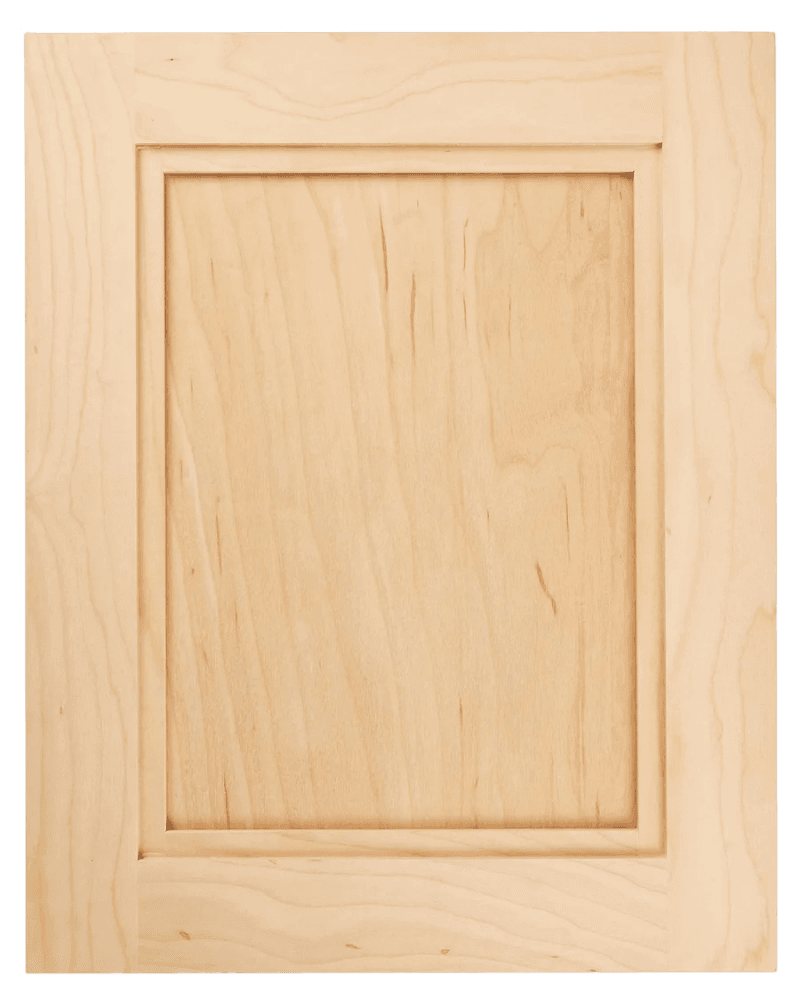
Modern, Contemporary
A square step-down detail on the interior profile, a modern take on a standard Shaker door
721/690/807
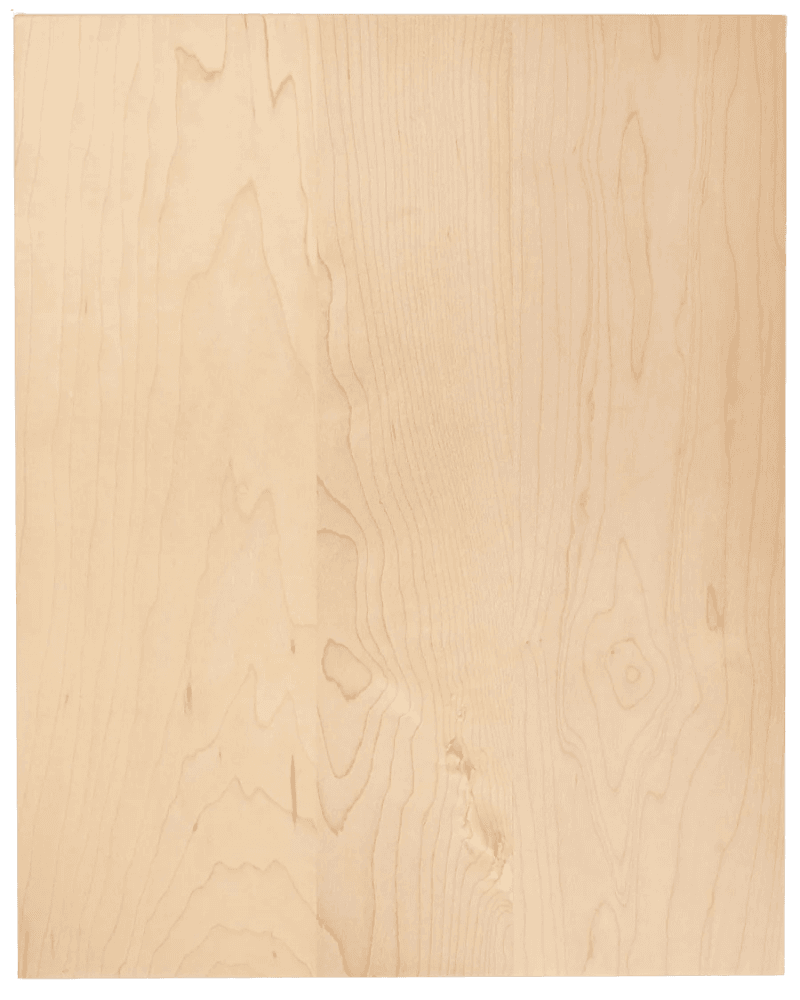
Modern, Minimalist
One piece, smooth, with squared edges
slab 440/807
More possibilities
The styles above are our most-requested starting points. If you have a different reference in mind, we can talk through what it takes to build it.
01
A photo, a sample, or even one detail you'd like to recreate gives us a place to start.
02
We'll look at the details with you and explain what it takes to make the door.
03
The door is cut here for the project instead of being selected from a catalog.
Choosing a door
These door styles are available for custom cabinetry and cabinet refacing.
Custom cabinetry
Select one door style, one wood species, and the overlay type that fits the design.
Cabinet refacing
Select one door style and one wood species. The overlay stays at half inch so the new doors fit the existing frames.
In real kitchens
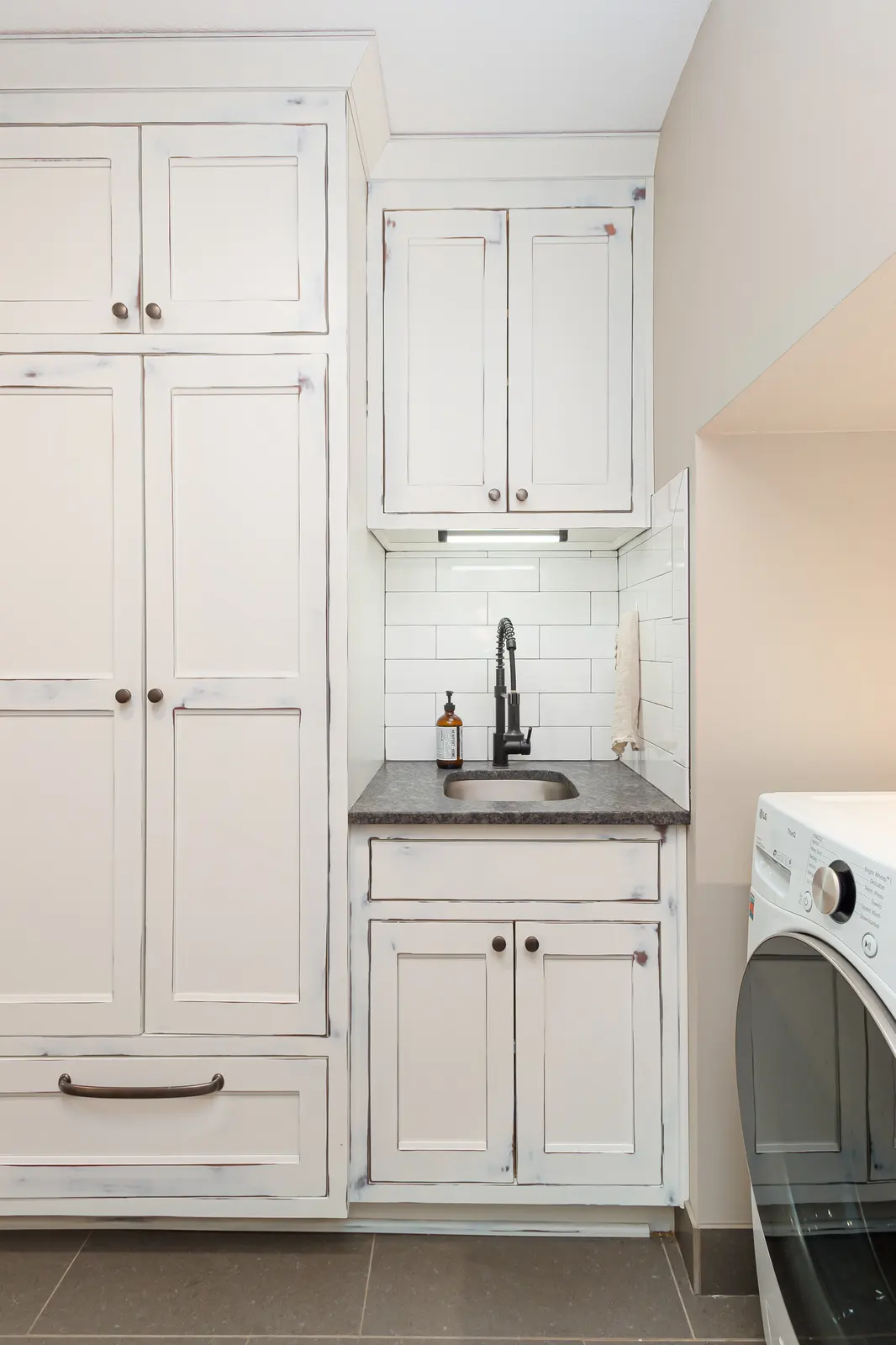
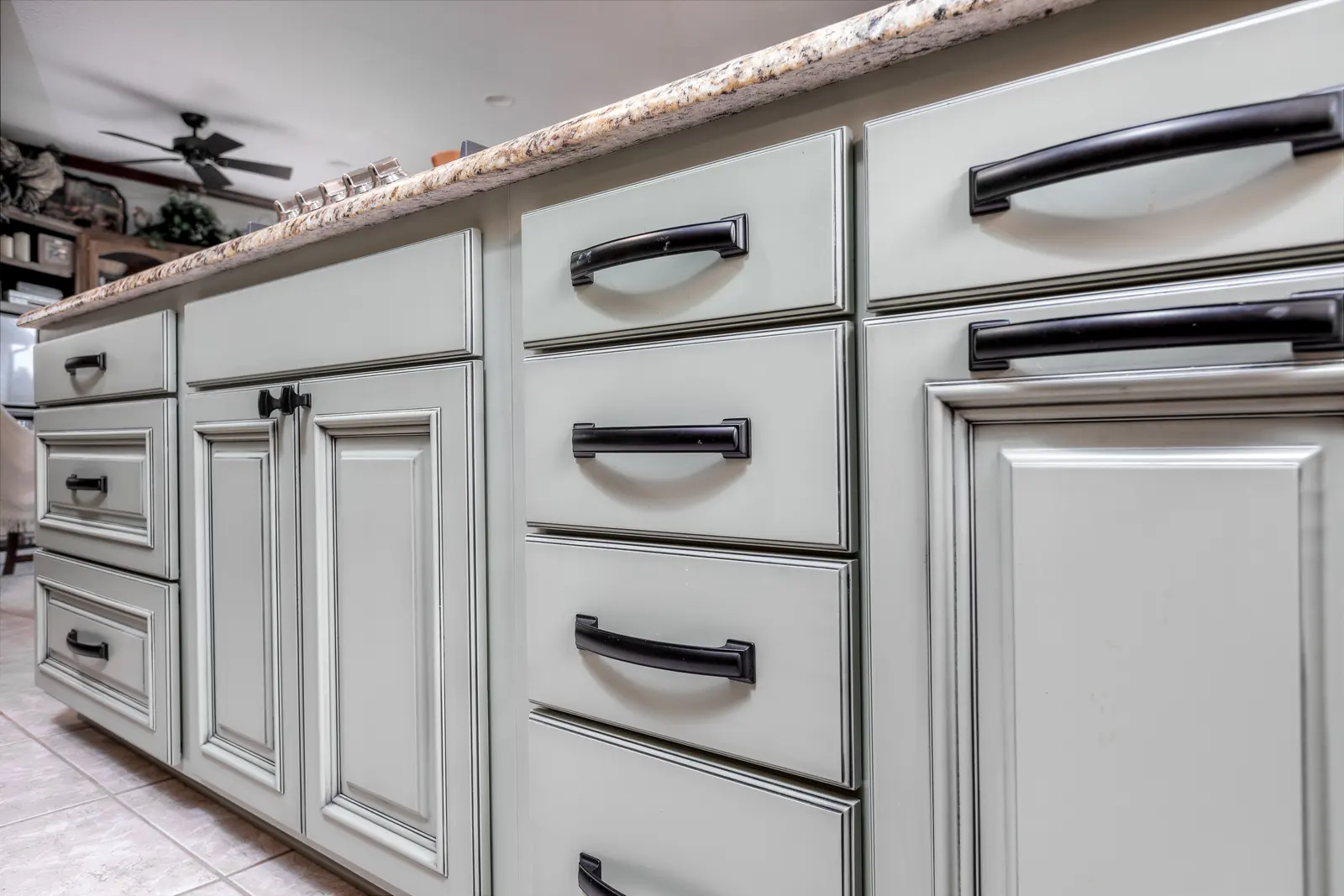
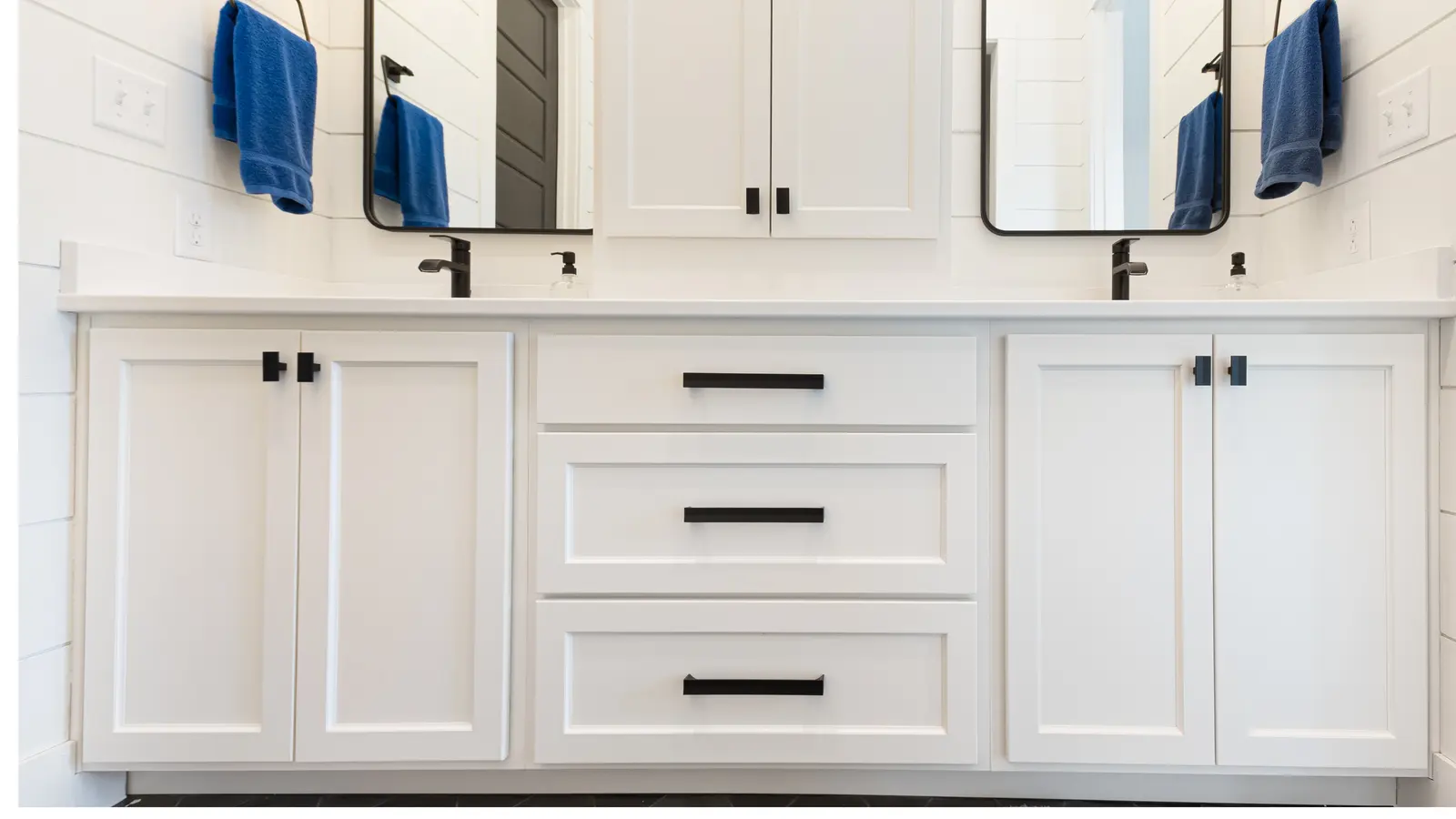
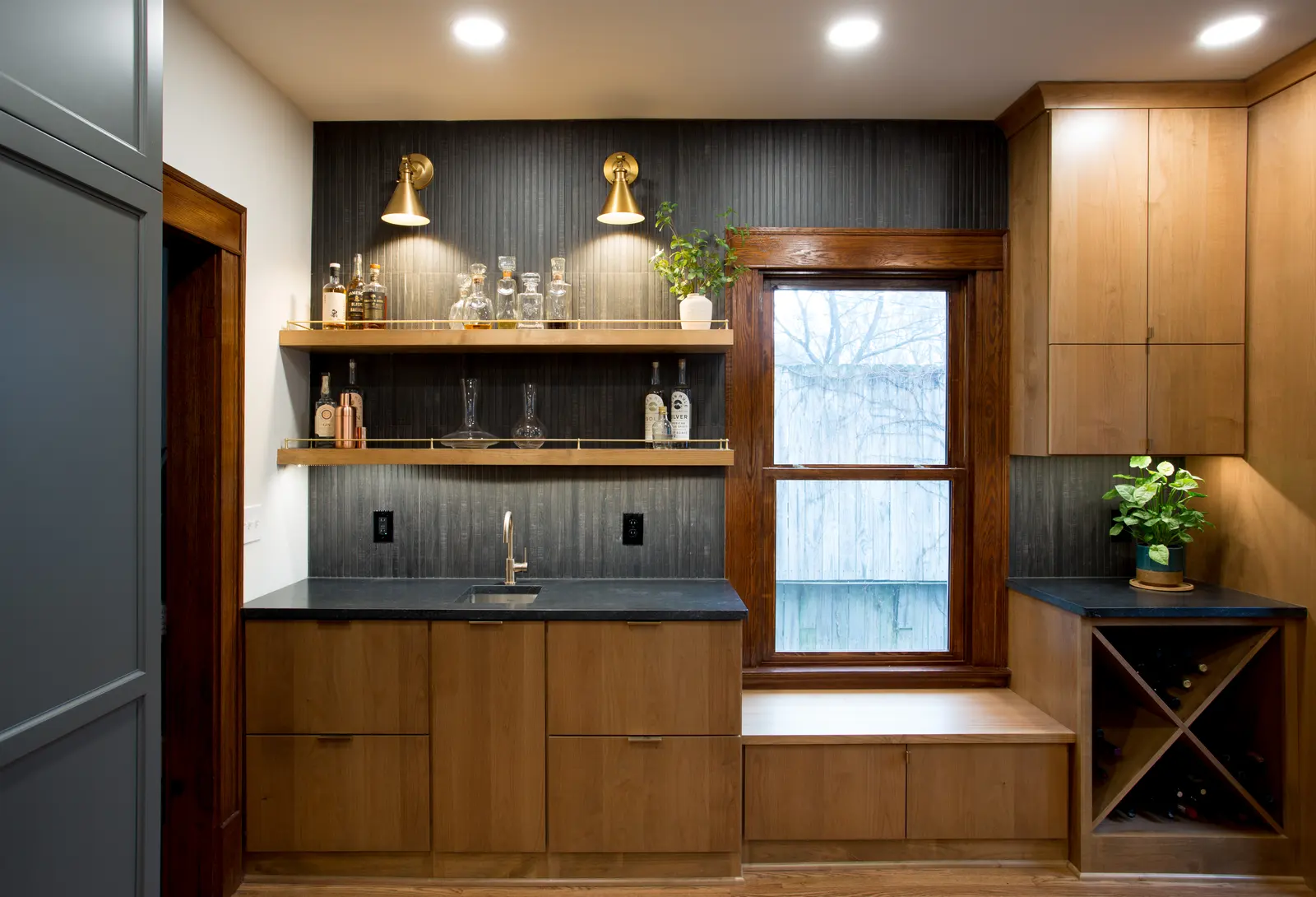
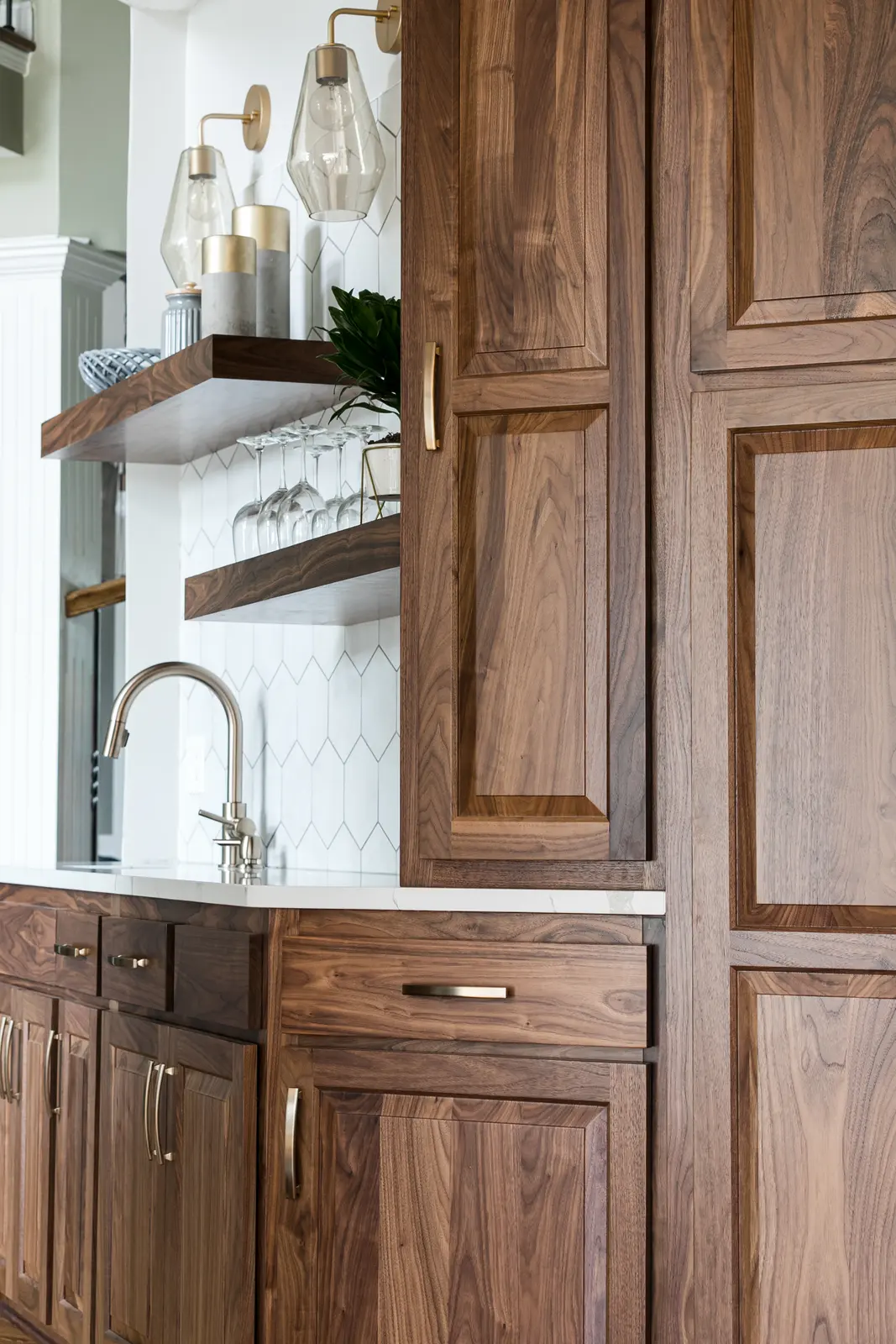
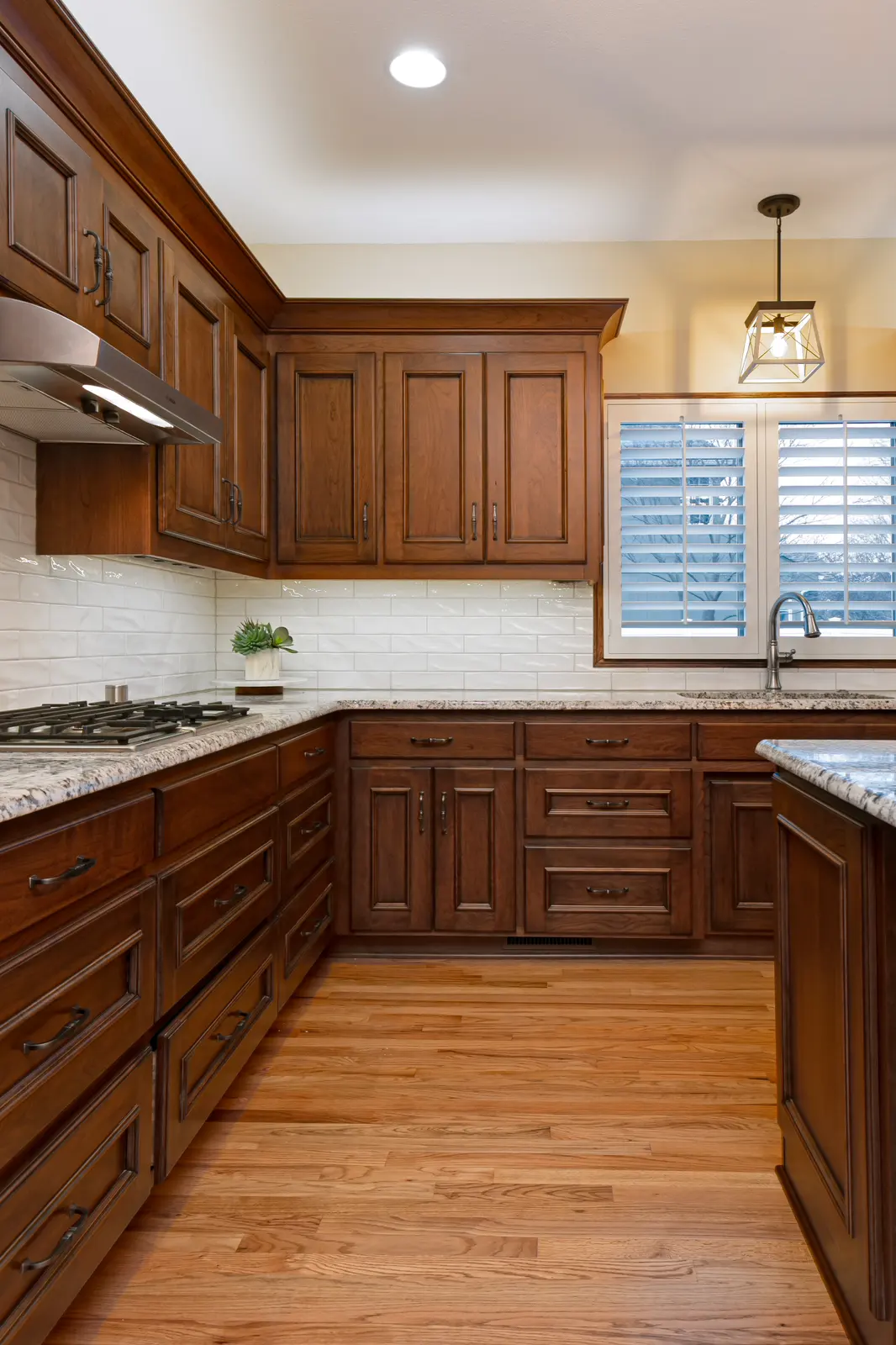
On a single door, it's a detail. Across a room, it sets the character. These are Crown projects.
See the gallery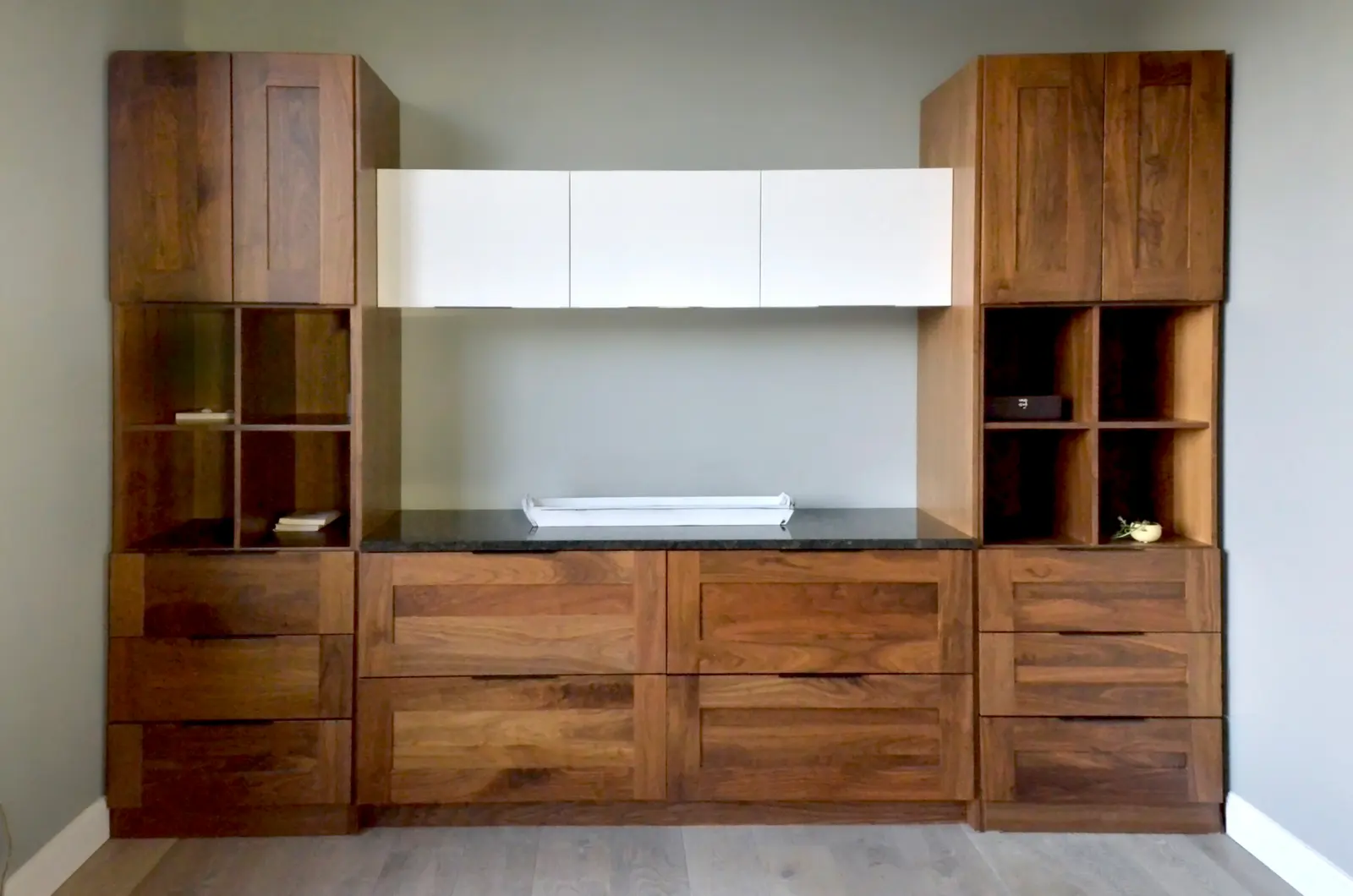
Helpful answers
Yes. These are our most common styles, not the whole list. We're a custom shop, so if you bring us a photo or a sample of a door you like, we'll tell you what it takes to build it.
They're the router bit profiles our shop uses to cut that door. If you're a designer or a remodeler specifying Crown for a client, that's the number to put on the order. For everyone else they're just a sign that a real shop is making the thing.
Yes, enough to notice. A one-piece slab door like Metro is a single piece of wood. A Cameron has mitered joints, ornate detail and a dramatically raised panel, which takes considerably more material and machining. Same shop, same finish, different amount of work.
Yes. Our showroom is in Blue Springs and visits are by appointment so a designer's there when you arrive. A door on a screen and the same door across twenty cabinets in a real room are two different experiences.