Crown Cabinetry

Cabinet Door Overlay Types

How much of the cabinet your doors cover, and why it matters.

Overlay is how much of the cabinet frame your doors and drawer fronts sit over. It changes the look of the kitchen, the usable space inside, and the cost.

A visual guide

Four ways a door can sit

Select a guide to view it larger.

Full overlay

The doors cover nearly the whole cabinet frame, leaving only a narrow reveal between them. You get a continuous run of door faces and very little frame showing. It reads modern and clean, and it gives you the most usable opening into the cabinet.
Full overlay

Swipe across the image to read the full guide.

Full overlay. The doors cover nearly the whole cabinet frame, leaving only a narrow reveal between them. You get a continuous run of door faces and very little frame showing. It reads modern and clean, and it gives you the most usable opening into the cabinet.
Standard overlay

The doors cover part of the frame and leave a wider band of it visible around each one. It's the most traditional look and the most common. More frame shows, which some people want and some don't.

Standard overlay

Swipe across the image to read the full guide.

Standard overlay. The doors cover part of the frame and leave a wider band of it visible around each one. It's the most traditional look and the most common. More frame shows, which some people want and some don't.

Inset

The doors sit inside the frame, flush with its face, like a piece of furniture. It's the most exacting to build because the gaps have to be consistent all the way around and the wood has to be allowed to move with the seasons. It also costs the most and gives you the smallest opening.

Inset

Swipe across the image to read the full guide.

Inset. The doors sit inside the frame, flush with its face, like a piece of furniture. It's the most exacting to build because the gaps have to be consistent all the way around and the wood has to be allowed to move with the seasons. It also costs the most and gives you the smallest opening.

Frameless

There's no face frame at all. The doors mount directly to the cabinet box. Sometimes called European or full access, because without a frame in the way you can reach the entire interior.

Frameless

Swipe across the image to read the full guide.

Frameless. There's no face frame at all. The doors mount directly to the cabinet box. Sometimes called European or full access, because without a frame in the way you can reach the entire interior.

If you're refacing

Your style is open.Your overlay is set.

Refacing uses the cabinet frames you already have, so the new doors are made to fit those frames. That means the overlay is fixed, while the door style, wood species, and finish remain your choice.

Full overlay, inset, and frameless need new cabinet boxes, so those are custom-build options.

See how cabinet refacing works

The refacing rule

½ inch

New doors cover half an inch of frame on each side.

Door style
Your choice
Wood and finish
Your choice
Overlay
Half inch

Choosing

Find the tradeoff that fits your room

There's no one right overlay. The best fit depends on how you want the room to look and how you use the space inside the cabinet.

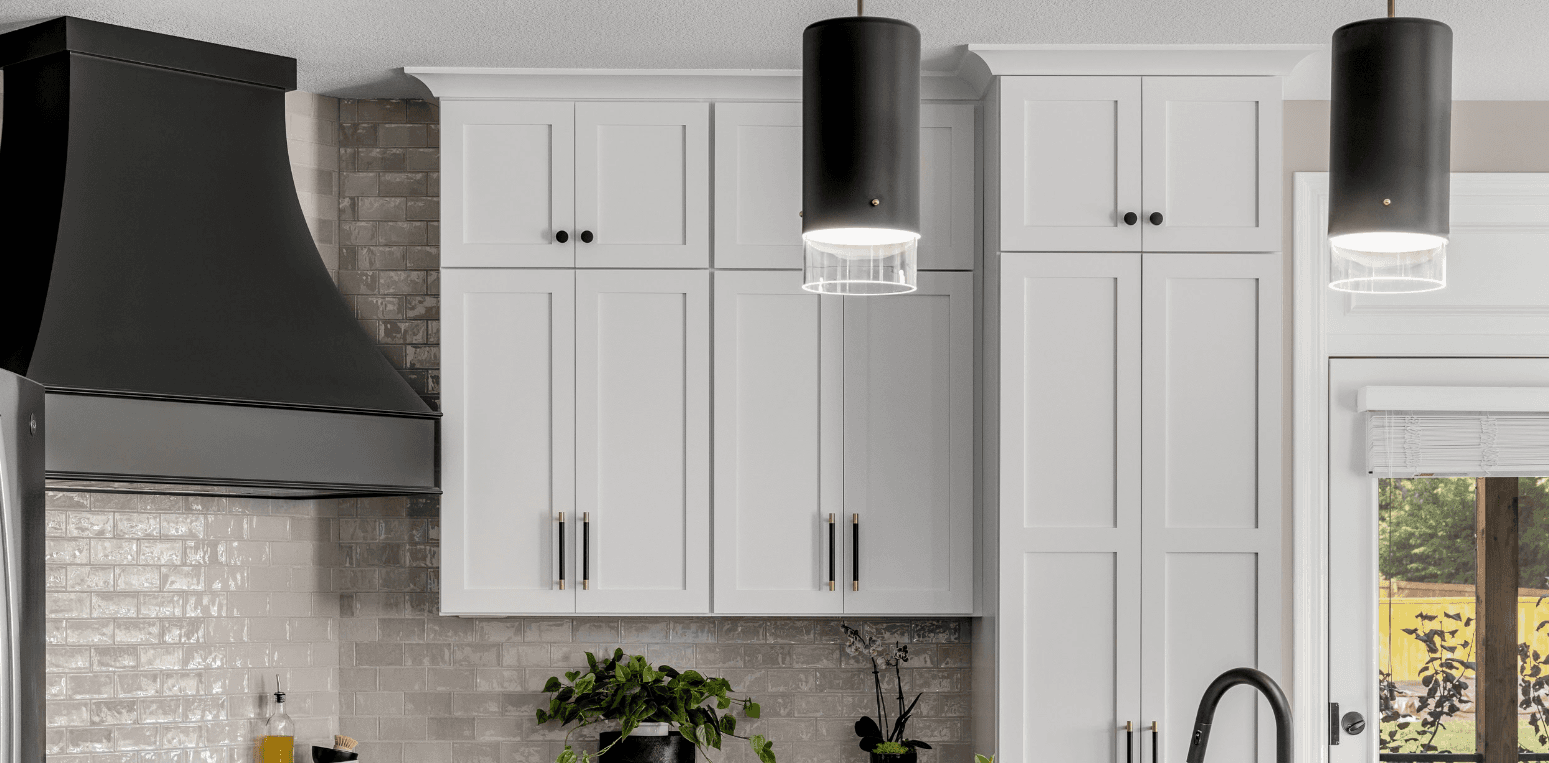
White kitchen cabinetry with narrow gaps between doors beside a black range hood

Full overlay

Modern and efficient

Very little frame shows, and you get a generous opening into the cabinet.

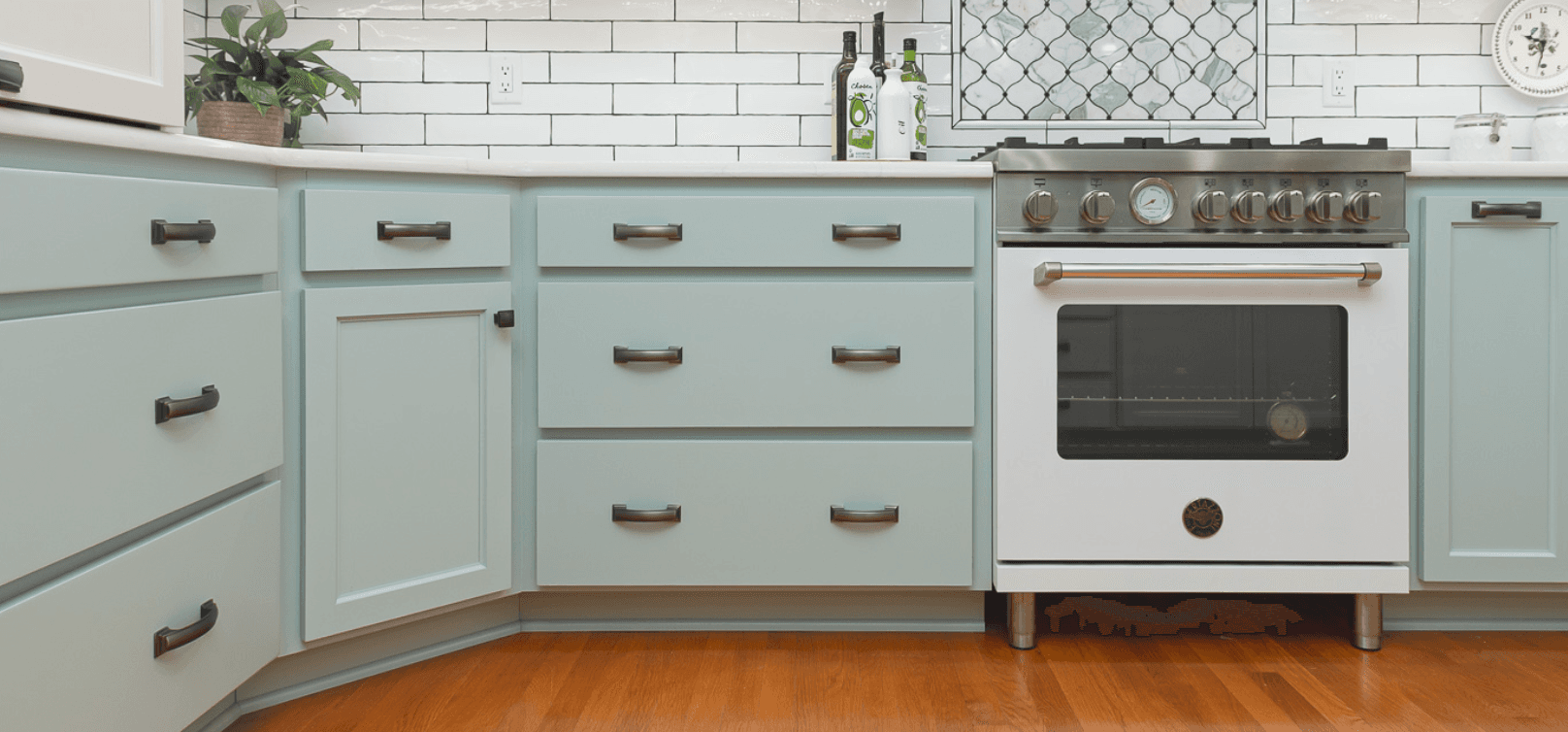
Pale blue-green cabinet doors and drawers with visible frame around them beside a range

Standard overlay

Traditional and familiar

More of the face frame stays visible around each door.

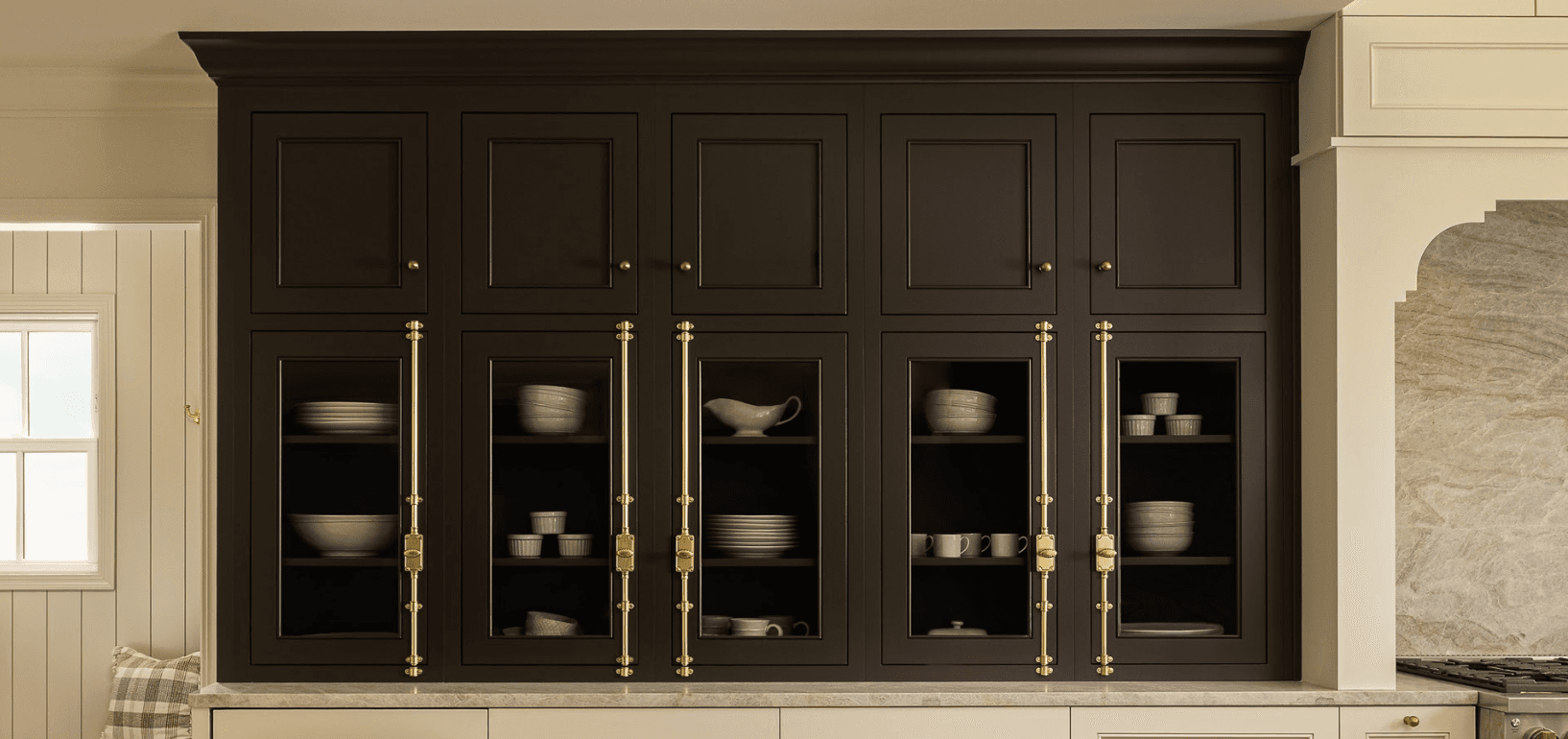
Dark painted cabinetry with inset doors, glass fronts and brass hardware

Inset

Furniture-like and precise

The door sits inside the frame, with the smallest opening and the tightest fit.

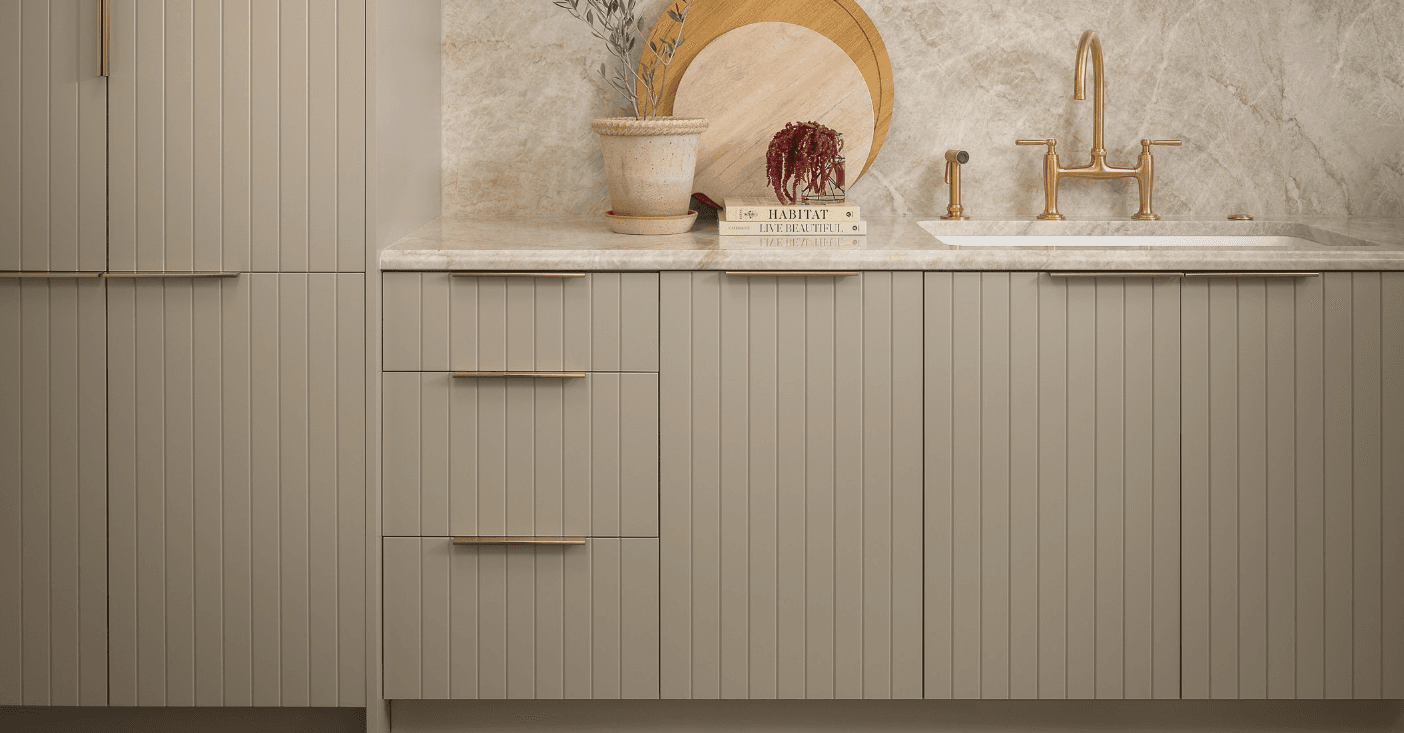
Warm neutral frameless cabinetry with vertical door detailing below a marble backsplash

Frameless

Maximum access

With no face frame at the opening, you can reach the full cabinet interior.

Helpful answers

Common questions about overlay

01

What's the difference between full overlay and frameless?

Full overlay still has a face frame, the doors just cover most of it. Frameless has no face frame at all, so the doors mount straight to the box. They can look similar from across the room, but frameless gives you more room inside.

02

Is inset worth the extra cost?

It depends on whether you want cabinetry that reads as furniture. Inset takes more precision to build and gives you a slightly smaller opening into each cabinet, so you're paying more and getting less storage. People choose it for the look, and it's a genuinely different look.

03

Which overlay gives me the most storage?

Frameless, because there's no face frame narrowing the opening. Full overlay is next.

04

Can I mix overlay types in one kitchen?

It's generally not a good idea. Overlay sets the visual rhythm of a run of cabinets, and mixing reads as a mistake rather than a choice.